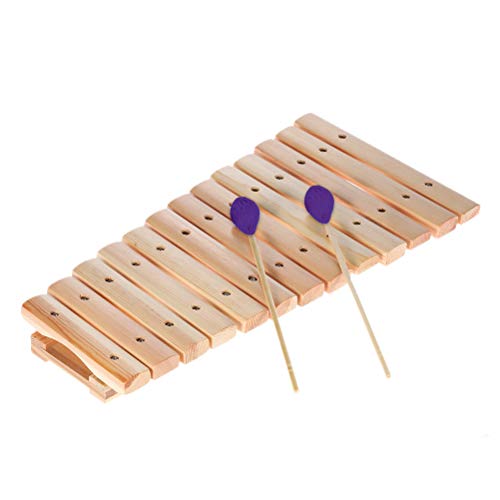
Understanding Head Composition and Material Science
The most critical decision in selecting a mallet is the material used for the striking head. This material determines the 'envelope' of the sound—the attack, the sustain, and the decay. Hard mallets, often made of high-density plastics, resins, or hard rubber, are essential for instruments like xylophones where clarity and rhythmic definition are paramount. Conversely, soft mallets utilize layers of felt, wool, or specialized synthetic fibers to diffuse the strike, making them ideal for timpani or orchestral bass drums where a blended, resonant tone is required. When looking for innovative options, pay attention to 'hybrid' heads. Modern manufacturers are increasingly using multi-layered core technology, where a hard center provides articulation while a soft outer layer provides warmth, offering a versatility that traditional single-material mallets cannot match.
Shaft Dynamics: Weight, Balance, and Material
While the head creates the sound, the shaft controls the movement. The material of the shaft—typically rattan, hardwood, or carbon fiber—significantly impacts the mallet's response. Rattan is the gold standard for many due to its natural flexibility and ability to absorb shock, which protects the player's wrists during long performances. However, innovative carbon fiber shafts are gaining traction among professional percussionists because they offer unparalleled strength-to-weight ratios and a consistent, predictable flex that natural wood cannot always guarantee. Beyond material, consider the balance point. A mallet that is 'head-heavy' will provide more power for loud, dramatic passages, while a 'center-balanced' mallet allows for the intricate, rapid-fire movements required in advanced marimba or vibraphone repertoire.
Tonal Color and Sound Projection
A professional mallet should not just produce a single note. It should produce a specific color. When evaluating mallets, consider the 'spectral profile' you need. Do you need a mallet that emphasizes the fundamental pitch (ideal for melodic clarity), or one that emphasizes the overtones (ideal for atmospheric textures)? Innovative mallets often feature specialized wrapping techniques—such as varying the tension of the yarn or the density of the felt—to manipulate these overtones. If you are playing in a large concert hall, you will need mallets with higher projection capabilities. If you are performing in a studio setting, you may prioritize mallets that offer a more controlled, intimate sound.
Ergonomics and Long-Term Playability
Percussion performance is physically demanding. A mallet that feels great for ten minutes might cause repetitive strain injury after an hour. Look for shafts with ergonomic tapers that fit the natural grip of your hand. Furthermore, consider the 'rebound' characteristics. A well-designed mallet should work with the physics of the instrument, using the natural bounce of the drumhead or bar to assist your movement. If a mallet feels 'dead' or requires excessive muscular force to move, it will lead to fatigue. Always prioritize mallets that offer a harmonious relationship between the weight of the head and the flexibility of the shaft, ensuring that your energy is directed into the sound rather than being absorbed by a poorly balanced tool.