Surface Material: Porcelain vs. Melamine vs. Painted Steel
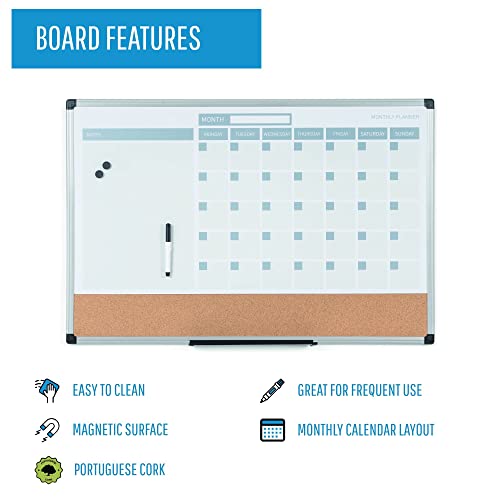
The most critical decision factor for any dry erase board is the substrate material. Mastervision offers several tiers of surfaces, each suited for different frequencies of use. For heavy-duty environments like classrooms or brainstorming hubs, look for porcelain (ceramic) surfaces. Porcelain is incredibly hard, scratch-resistant, and virtually immune to ghosting, making it the gold standard for longevity. If you are on a tighter budget or need a lightweight solution for temporary setups, melamine is a common choice. However, be aware that melamine is more porous and will require more frequent deep cleaning to prevent staining. For those who need magnetic functionality, ensure you are selecting a steel-backed model, as many high-end porcelain boards are also magnetic, allowing you to pin up documents alongside your handwritten notes.
Framing and Durability
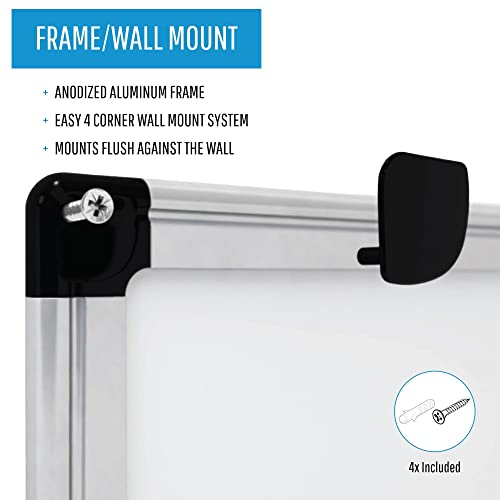
The frame of the board does more than just provide an aesthetic finish. It provides structural integrity. Mastervision boards typically feature aluminum frames that prevent the edges from curling over time. When choosing, consider the environment. A slim, minimalist aluminum frame is perfect for modern office aesthetics, while a more robust, heavy-duty frame is better suited for high-traffic areas where the board might be bumped or moved frequently. Pay close attention to the mounting hardware included. A high-quality board should come with a secure system that ensures the board remains perfectly level on the wall, preventing any structural stress on the writing surface.
Dimensions and Aspect Ratio
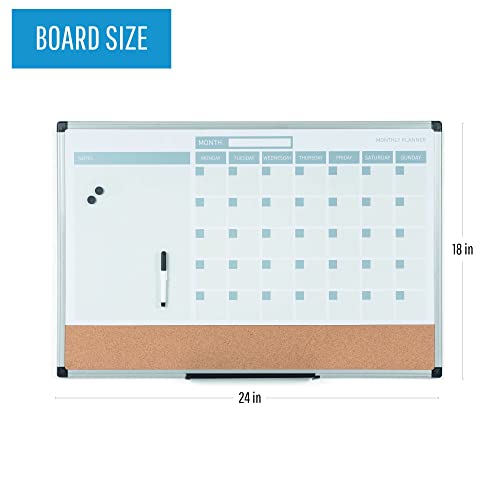
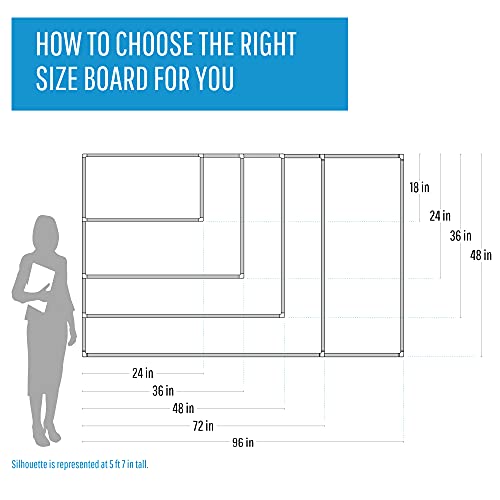
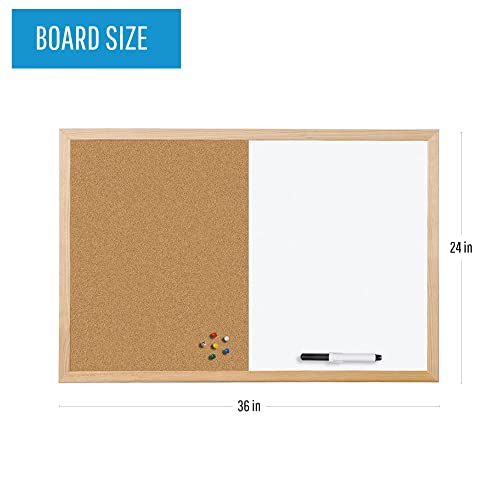
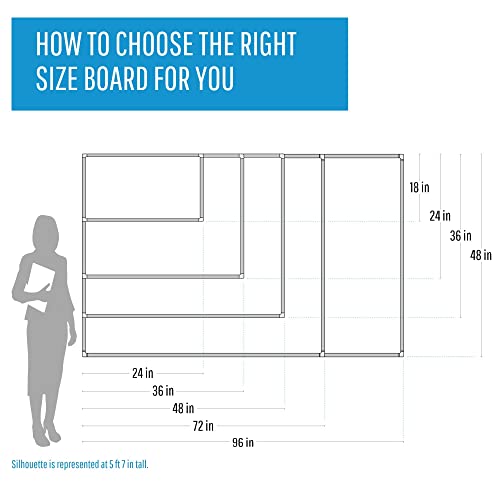
Size selection should be driven by the intended use case. For individual task management or small home offices, a compact board (roughly 2' x 3') is sufficient. However, for collaborative teaching or large-scale project mapping, you should prioritize width. A board that is too small will force users to erase frequently, breaking the flow of thought. Consider the 'aspect ratio' of your wall space: a wide, landscape-oriented board is ideal for timelines and flowcharts, whereas a vertical orientation can work well for checklists or daily agendas. Always measure your intended wall space and account for the frame width when calculating the total footprint.
Maintenance and Longevity
To maximize your investment, consider how much maintenance you are willing to perform. High-end Mastervision boards are designed for easy cleaning, but the surface quality determines how much effort is required. If you plan on using permanent markers occasionally (and then erasing them) or using heavy-duty highlighters, a porcelain surface is non-negotiable. If you opt for a lower-cost painted steel surface, you must commit to a regular cleaning schedule using specialized whiteboard cleaners to prevent the buildup of pigment that leads to permanent staining.