Understanding Gear Ratios and Precision
The most critical technical specification to consider when selecting musiclily tuning keys is the gear ratio. This number represents how many full rotations of the tuning peg are required to turn the worm gear one full revolution. For electric guitars, you will typically see ratios ranging from 14:1 to 18:1. A higher ratio, such as 18:1, offers much finer control, allowing for micro-adjustments that are essential for staying in tune during subtle bends or vibrato. If you are a lead player who relies heavily on expressive string manipulation, prioritize a higher gear ratio to ensure that small movements of the key don't result in massive jumps in pitch.
Sealed vs. Vintage-Style Tuners
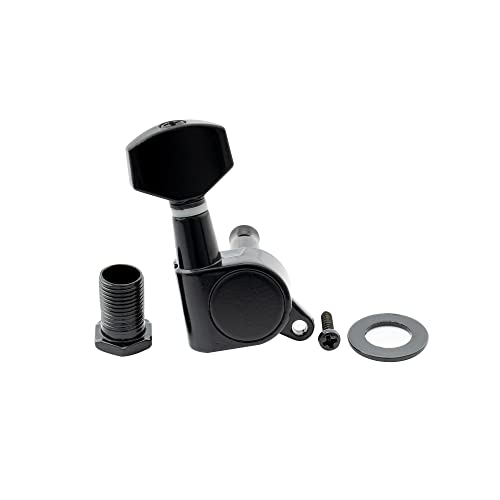
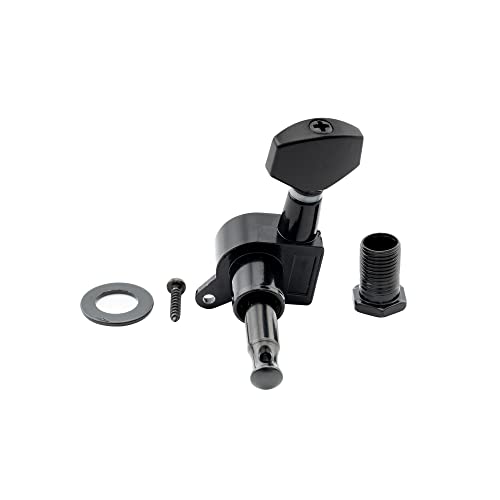
You must decide between two distinct mechanical architectures: sealed die-cast tuners and vintage-style open-gear tuners. Sealed tuners are the modern standard for electric guitars; they house the internal gears in a single, lubricated unit that is highly resistant to dust and moisture. These are generally more stable and require less maintenance. On the other hand, vintage-style tuners offer a classic aesthetic that is indispensable for players restoring Stratocaster or Telecaster-style guitars. While vintage tuners can sometimes be more prone to 'slippage' if not properly maintained, they provide a period-correct look that sealed tuners cannot replicate. Match your choice to the era of your guitar's design.
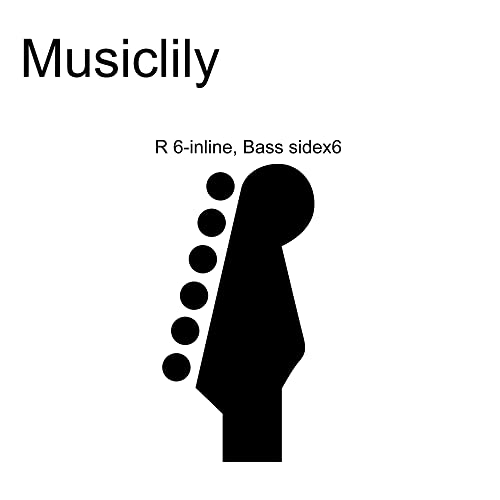
One of the biggest mistakes in DIY hardware upgrades is ignoring the physical footprint of the tuner. Tuning keys come in various mounting styles, most notably the standard '6-in-line' or '3+3' configurations. You must measure the diameter of the existing holes in your headstock. Most modern replacements are designed to fit standard drill diameters, but if you are replacing older, larger-diameter vintage tuners with modern sealed ones, you may find that the base of the new tuner (the bushing) is too small, leaving visible gaps. Always check if the kit includes bushings or if you will need to drill new holes to ensure a flush, professional fit against the wood.
Material Durability and Aesthetic Finish
Since tuning keys are exposed to the oils from your hands and the humidity of the playing environment, the finish matters. musiclily offers various finishes including chrome, gold, black, and even aged nickel. Chrome is the most durable and easiest to clean, making it ideal for heavy players. Gold finishes provide a premium look but can show wear or tarnishing over time if the plating is thin. If you are going for a 'relic' or vintage vibe, choosing an aged nickel finish can prevent the hardware from looking unnaturally shiny against a worn headstock. Ensure the color of your new tuners complements your bridge and other hardware to maintain a cohesive visual identity for your instrument.