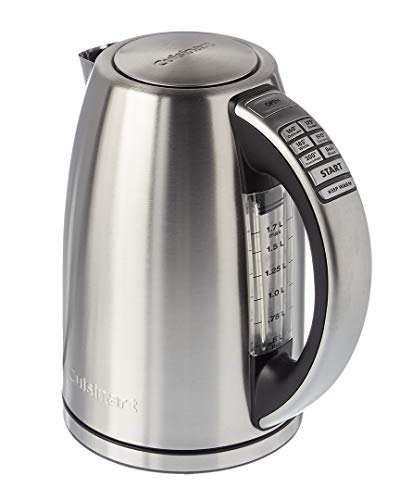
Material Matters: Stainless Steel vs. Glass vs. Plastic
The material of your kettle's body is the most significant factor affecting both durability and flavor. Stainless steel is the gold standard for longevity and heat retention. It is rugged, easy to clean, and does not leach any taste into the water. However, ensure you opt for food-grade stainless steel to avoid metallic aftertastes. Glass kettles are a favorite for those who enjoy the visual ritual of watching water come to a boil. They are easy to inspect for mineral buildup (limescale), but they require careful handling to avoid breakage and can be more difficult to clean due to their transparency. Plastic kettles are often the most budget-friendly and lightweight, but they carry a risk of 'plastic smell' during the initial heating cycles. If you choose plastic, prioritize BPA-free models to ensure chemical safety.
Before committing to a model, evaluate your household size. A small 0.5-liter kettle is ideal for single dwellers or office desks where space is at a premium. However, for families or those who host guests, a 1.7-liter capacity is the industry standard, providing enough volume for multiple mugs or a small teapot. Consider the 'footprint' of the kettle as well. Some models feature wide, stable bases that take up significant counter space, while others are designed with a slim profile to fit into crowded kitchenettes.
Temperature Control and Precision
For the casual user, a simple 'on/off' switch is sufficient. The kettle will boil the water to 212°F (100°C) and shut off automatically. However, if you are a connoisseur, look for models with variable temperature settings. Different types of tea require specific temperatures to prevent bitterness: green tea thrives at roughly 175°F, while black tea and French press coffee require a full boil. Models that offer precise digital controls allow you to hit these marks exactly, saving you from having to wait for water to cool down manually.
Safety Features and Speed
Safety should never be an afterthought. Every reliable electric kettle must include an automatic shut-off feature that triggers once the water reaches boiling point. Additionally, look for 'boil-dry protection,' a critical safety mechanism that prevents the heating element from activating if the kettle is empty. Speed is another factor. Look for wattage ratings in the description. A higher wattage generally means faster boiling times, which is essential during a rushed morning. However, keep in mind that higher wattage also draws more power, so ensure your kitchen's electrical capacity can handle it.
Ease of Maintenance
Over time, mineral deposits from hard water will inevitably form on the heating element. To ensure your kettle lasts, look for models with wide openings that allow you to reach inside for scrubbing. A removable scale filter at the spout is also a vital feature. It catches any sediment before it enters your cup, ensuring a clean pour every time. A cordless design, where the kettle lifts off a separate power base, is also highly recommended for ease of pouring and cleaning.