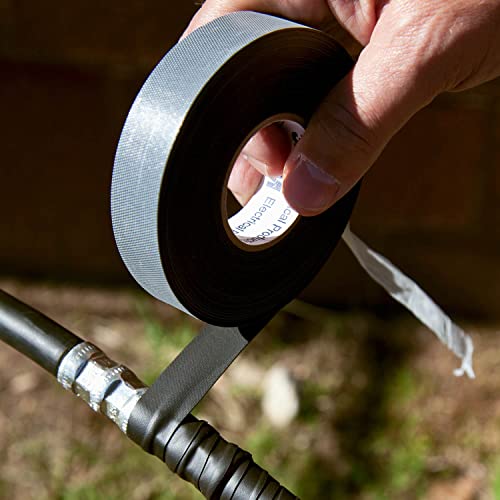
Understanding Dielectric Strength and Voltage Ratings
The primary function of electrical tape is to act as an insulator. When selecting a tape, you must first consider the voltage level of the application. High-voltage applications require tapes with superior dielectric strength—the ability to withstand electrical breakdown without becoming conductive. While standard PVC tapes are sufficient for most residential wiring, industrial or utility-grade applications often require specialized materials that can prevent arcing in high-stress environments. Always verify that the tape’s voltage rating exceeds the maximum potential voltage of the conductor you are insulating to ensure a safety margin.
Material Composition: PVC vs. Specialty Polymers
Most electrical tape falls into the category of Polyvinyl Chloride (PVC), which is favored for its flexibility and ease of use. However, 3M offers advanced materials for niche requirements. For instance, if you are working in a high-heat environment, such as near an engine or inside a heavy-duty industrial machine, standard PVC may soften or lose its adhesive properties. In these cases, you should look for tapes designed with enhanced thermal stability. Conversely, if you are performing repairs in damp or corrosive environments, you might consider tapes that offer superior moisture resistance or those that provide a seamless, waterproof seal to prevent oxidation of the copper or aluminum conductors.
A common frustration with low-quality tapes is 'ooze'—the tendency for adhesive to migrate out from under the edges of the tape over time, especially when subjected to temperature fluctuations. This can lead to a messy buildup and compromised insulation. High-quality electrical tapes from 3M are engineered with pressure-sensitive adhesives that remain stable. When choosing a tape, consider whether you need a 'clean removal' property. If the tape is being used for temporary identification or bundling, you want an adhesive that won't leave a gummy, permanent residue. For permanent wire splicing, you want an adhesive that bonds aggressively to the insulation to prevent the tape from unraveling.
Physical Properties: Stretch, Thickness, and Color Coding
The mechanical application of the tape is just as important as its chemical properties. A good electrical tape should have a controlled amount of 'stretch' or elongation. This allows the user to apply tension during the wrapping process, which is essential for creating a tight, void-free seal around a splice. If a tape is too stiff, it won't conform to irregular shapes. If it is too stretchy, it may thin out excessively during application, reducing its dielectric strength. Additionally, color coding is a vital safety feature. In professional electrical work, using specific colors (such as red, black, or yellow) is often a requirement for phase identification or marking specific circuits. Ensure your selection includes the necessary color spectrum for your specific electrical standard.
Summary of Decision Logic
To make the best choice, follow this hierarchy: First, identify the maximum voltage. Second, assess the environmental temperature and moisture levels. Third, determine if the application is permanent or temporary. By matching these three factors to the specific material properties of the tape, you ensure both the longevity of the electrical connection and the safety of the overall system.