Verify Electrical Compatibility and Connector Integrity
The most common mistake when purchasing a replacement fan motor is overlooking the electrical interface. Even if a motor physically fits into the shroud, the plug configuration must be an exact match. Modern cooling systems often use variable-speed motors controlled by a Pulse Width Modulation (PWM) signal from the Engine Control Unit (ECU). If you attempt to install a motor with a different resistance or pin configuration, you risk blowing a fuse or, worse, damaging the fan control module. Always inspect your existing wiring harness for corrosion. A new motor will fail prematurely if it is forced to work through a high-resistance, corroded connection.
Assess Motor Duty Cycle and Build Quality
Radiator fan motors operate in one of the harshest environments in a vehicle. They are subjected to constant vibration, extreme temperature fluctuations, and exposure to road debris and moisture. When evaluating options, look for motors that feature sealed bearings and high-quality brush compositions. A motor with superior internal sealing will resist the ingress of moisture, which is the primary cause of internal short-circuiting. Because these motors are designed to run for extended periods during highway cruising or heavy traffic, the thermal management of the motor housing itself is a key indicator of longevity.
Consider the Shroud vs. Motor-Only Replacement
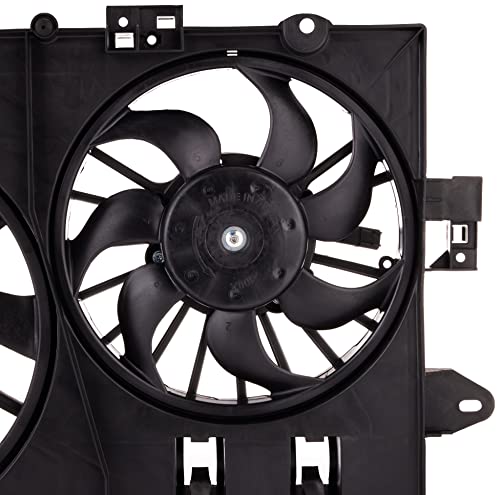
One of the most important decision points is whether you need just the motor or the entire fan assembly (the motor plus the shroud and blades). If your current fan blades are cracked, unbalanced, or if the plastic shroud is warped, replacing only the motor is a temporary fix that may lead to vibration-induced failure. An unbalanced fan puts uneven lateral loads on the new motor's bearings, significantly shortening its lifespan. If the shroud is intact and the blades show no signs of fatigue, a motor-only replacement is a cost-effective solution. However, if the assembly feels loose or rattles, investing in a complete assembly ensures better airflow aerodynamics and structural stability.
Match Airflow Specifications (CFM)
The primary job of the radiator fan is to move a specific volume of air—measured in Cubic Feet per Minute (CFM)—to pull heat away from the condenser and radiator. While aftermarket motors are designed to meet or exceed OEM specifications, you should ensure the replacement is rated for your specific engine displacement and cooling load. A motor that is underpowered will fail to maintain safe operating temperatures during high-load scenarios, such as towing or climbing steep grades, even if the engine appears to run fine during normal city driving.
Installation and Testing Logic
Once you have selected the correct motor, your testing protocol is vital. After installation, do not simply start the engine and walk away. Use a diagnostic tool or observe the cooling fans during the warm-up cycle to ensure the motor engages at the correct temperature threshold. Check for excessive noise or vibration immediately upon startup, as these are early indicators of a mounting misalignment or a defective bearing within the new unit.