Prioritizing Fabric Composition and Breathability
The most critical factor in an everyday bra is the textile blend. Since these pieces are intended for extended wear, you must look for fabrics that offer high elasticity without losing their shape over time. Look for microfibers or nylon-spandex blends that feel 'second-skin' soft. A high-quality everyday bra should have moisture-wicking properties to prevent discomfort during warmer months or periods of high activity. Avoid fabrics that feel overly rigid or scratchy. Instead, prioritize seamless knits that reduce friction against the skin, which is essential for preventing irritation during repetitive daily movements.
Understanding Support Structures: Wired vs. Wireless
Deciding between a wired and wireless construction is a personal preference dictated by your lifestyle and breast tissue density. For those seeking a natural, unconstrained feeling, wireless bralettes or soft-cup constructions are ideal. These are excellent for lounging or casual office environments where comfort is the primary objective. However, if you require more lift or a more defined shape for professional attire, look for 'soft-wire' options or bras with reinforced underbands. A well-constructed everyday bra should provide support through the band rather than just the straps, as the band carries the majority of the weight and ensures the bra stays in place throughout the day.
Seamlessness and Silhouette Integration
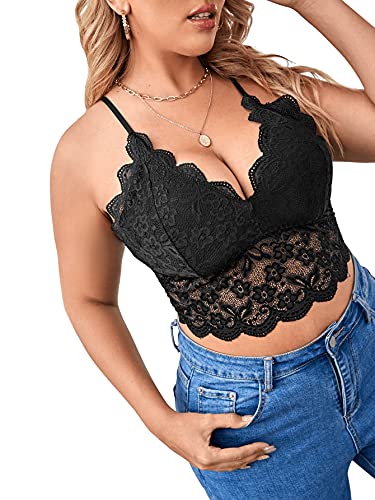
One of the primary reasons to choose specific everyday styles is to avoid visible bra lines (VBLs). When shopping, pay close attention to the edge finishing. Laser-cut edges and bonded seams are superior to traditional stitched hems for achieving a smooth look under thin fabrics. If you frequently wear t-shirts or lightweight knits, a seamless, molded cup will provide a much cleaner aesthetic than a lace or textured bra. Consider the coverage of the cup as well. Full-coverage styles offer more security and prevent 'spillage,' while demi-cup styles are better for lower necklines.
Durability and Maintenance Considerations
An everyday bra undergoes significant stress through repeated stretching and washing. To ensure your investment lasts, look for high-quality hardware—such as sliders and hooks—that are encased in fabric to prevent digging. Furthermore, consider the care requirements. While many modern synthetic blends are durable, the longevity of the elasticity is best preserved through gentle washing. When selecting your pieces, check the density of the knit. A denser, higher-quality fabric will resist 'pilling' and stretching out much longer than cheaper, loosely woven alternatives.
The Importance of Band Tension and Strap Width
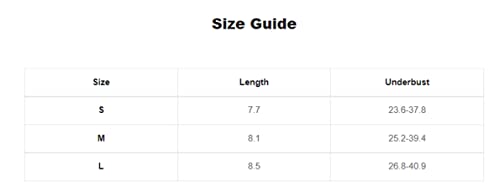
A common mistake in bra shopping is focusing solely on the cup size while neglecting the band. For an everyday bra to be comfortable, the band must be snug enough to stay level but loose enough to allow for deep breathing. If the band rides up your back, it is too large. If it digs in painfully, it is too small. Additionally, look for adjustable straps with a decent width. Straps that are too thin can cut into the shoulders, especially if the bra provides significant lift, whereas wider, padded, or soft-elastic straps distribute weight more evenly across your frame.