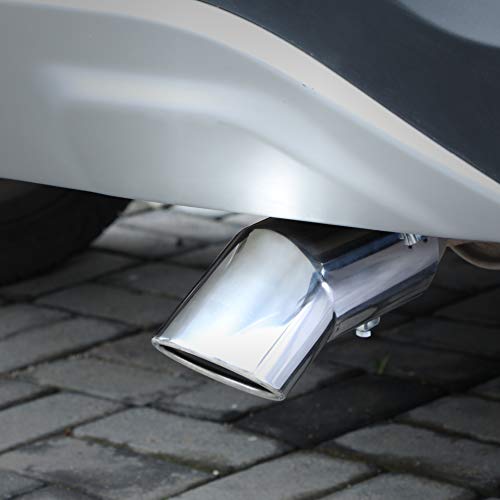
Material Composition and Corrosion Resistance
The longevity of your exhaust system is dictated by the grade of metal used in its construction. When evaluating Tritrust options, pay close attention to whether the pipes are crafted from T304 stainless steel or lower-grade aluminized steel. T304 stainless steel is the gold standard. It offers superior resistance to oxidation and thermal fatigue, which is critical since exhaust components undergo extreme temperature fluctuations every time you drive. A high-quality stainless pipe will maintain its luster and structural integrity even when exposed to road salt, moisture, and high-heat cycles. If you plan on high-performance driving or live in a coastal or snowy climate, investing in a higher-grade stainless construction is non-negotiable to prevent premature rusting and thinning of the pipe walls.
Mandrel Bending vs. Crush Bending
One of the most significant technical factors in exhaust performance is how the bends are formed. Cheap exhaust pipes often use 'crush bending,' which pinches the pipe at the curves, narrowing the internal diameter and creating turbulence. This restriction acts as a bottleneck, defeating the purpose of an upgrade. Look for pipes that utilize mandrel bending. This process uses a solid internal rod to maintain a consistent diameter throughout the entire curve. Mandrel-bent pipes ensure a smooth, uninterrupted path for exhaust gases, reducing backpressure and allowing the engine to breathe more freely. This results in a more linear power band and a more consistent sound profile without the 'raspy' or 'hollow' tones associated with restricted airflow.
Diameter and Flow Dynamics
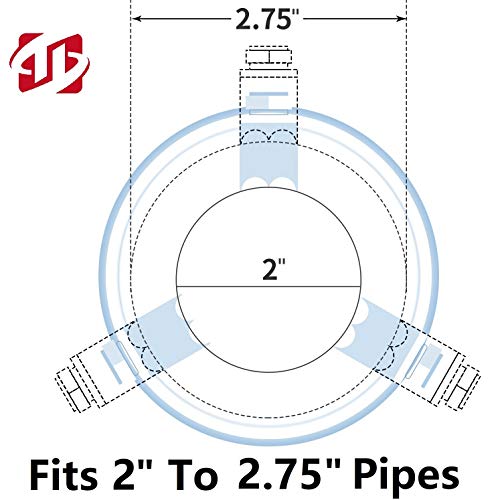
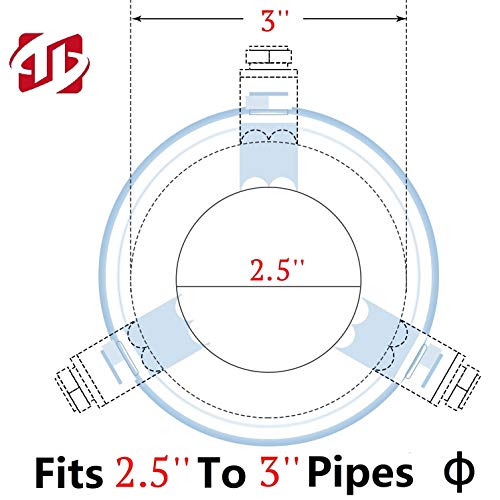
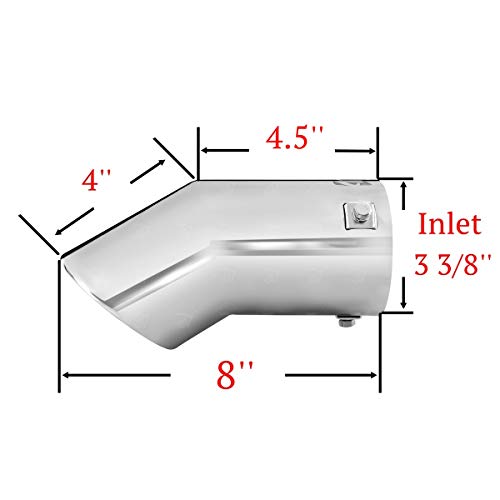
It is a common misconception that a larger pipe always equals more power. In reality, exhaust diameter is a game of physics involving gas velocity. If the pipe diameter is too large for your engine's displacement, you will lose exhaust gas velocity, which can actually decrease low-end torque and make the car feel sluggish during city driving. Conversely, if the pipe is too narrow, you create excessive backpressure that traps heat and limits top-end horsepower. When selecting your pipe, match the diameter to your specific engine displacement and intended use. For street-driven cars, a modest increase in diameter is usually sufficient to improve flow without sacrificing drivability. For dedicated racing applications, larger diameters are appropriate to handle the massive volumes of gas produced at high RPMs.
Fitment and Connection Types
An exhaust pipe is only as good as its seal. Ensure the pipe you select matches your vehicle's specific mounting points and flange configurations. Some models offer direct-fit replacements that bolt directly into the existing system, while others are designed as universal components that require welding or custom fabrication. If you are not an experienced welder, prioritize direct-fit options or those featuring high-quality flange connections. Additionally, check the quality of the gaskets and clamps included or required. A poor connection can lead to exhaust leaks, which not only cause annoying ticking sounds but can also introduce dangerous gases into the cabin and throw off your oxygen sensor readings, potentially damaging your engine's ECU mapping.