Understanding Gauge and Current Capacity
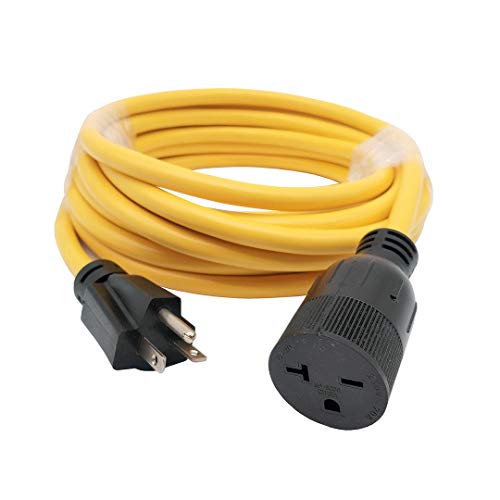
The most critical technical specification you will encounter is the wire gauge, typically denoted by a number followed by 'AWG' (American Wire Gauge). In the world of extension cords, a smaller number indicates a thicker wire. For Parkworld cords intended for heavy-duty use—such as running electric heaters, power tools, or large refrigeration units—you should prioritize a lower gauge, such as 12 AWG or 14 AWG. A thicker wire has lower electrical resistance, which prevents the cord from overheating and minimizes voltage drop over long distances. If you are only powering small LED lanterns or charging phones, a 16 AWG cord might suffice, but for any device with a motor or heating element, the thicker gauge is a safety requirement.
Environmental Durability and Weatherproofing
Since these cords are often used in parks, campgrounds, or construction sites, their ability to withstand the elements is paramount. Look for cords that feature high-quality insulation, often made of heavy-duty thermoplastic or rubber compounds that remain flexible even in freezing temperatures. A high-quality cord should be rated for outdoor use, meaning it can handle incidental contact with water and UV exposure without the outer jacket cracking. Pay close attention to the plug design. Weather-resistant covers for the outlets are a significant advantage, as they prevent debris and moisture from entering the connection points while the cord is in use.
Length vs. Voltage Drop
It is tempting to buy the longest cord possible to avoid moving your equipment, but there is a physical trade-off known as voltage drop. As electricity travels through a wire, some energy is lost as heat. The longer the cord, the more significant this loss becomes. If you use a thin, long cord to power a high-draw appliance, the appliance may underperform or even sustain damage due to insufficient voltage. To mitigate this, follow a simple rule: the more power the device requires, the shorter and thicker the cord should be. If you absolutely need a 50-foot or 100-foot reach for heavy equipment, you must compensate by selecting a much heavier gauge wire.
Connection Integrity and Safety Ratings
A reliable extension cord is only as strong as its weakest connection. Examine the construction of the plug ends. Sturdy, molded plugs are superior to those where the wires are simply stripped and screwed into a terminal, as molded plugs provide better strain relief and prevent the wires from pulling loose over time. Furthermore, always ensure the cord is UL-listed or meets equivalent safety certification standards. This ensures the product has been tested for electrical integrity and can withstand the specific load capacities advertised on the packaging. For outdoor applications, ensure the cord is compatible with your specific power source, whether that is a standard grounded outlet or a specialized RV-style receptacle.