Material Composition and Durability
The most critical decision factor in selecting an exterior cover is the substrate material. Not all heavy-duty fabrics are created equal. You must differentiate between standard PVC-coated polyester and specialized reinforced membranes. For long-term outdoor exposure, look for fabrics that feature a high denier count. This indicates a thicker, more robust weave that resists punctures and abrasions. If your asset will be stored in a high-wind area, prioritize materials with high tensile strength to prevent the fabric from stretching or tearing at the seams. Additionally, ensure the material is treated with UV inhibitors. Without these chemical stabilizers, even the strongest fabric will become brittle and crack under intense sunlight within a single season.
Weatherproofing and Water Resistance
While many covers claim to be 'waterproof,' there is a significant difference between water resistance and true waterproofing. For equipment that must remain bone-dry during heavy downpours or snowmelt, seek out covers that utilize heat-sealed seams rather than stitched seams. Stitched seams create tiny perforations that act as channels for moisture to seep through. A superior cover will feature a laminated or coated interior that creates a complete moisture barrier. Furthermore, consider the breathability of the cover. If you are covering organic materials or metal components prone to condensation, a cover that allows a minimal amount of vapor transmission can prevent mold growth and rust buildup caused by trapped humidity.
Fitment and Aerodynamics
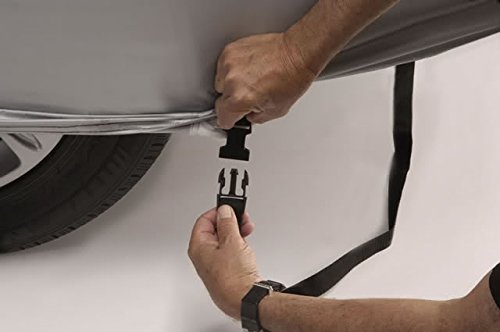
A cover that is too loose becomes a sail, catching the wind and potentially causing structural damage to the asset it is meant to protect. Conversely, a cover that is too tight will put undue stress on the fastening points. When selecting a size, measure your asset's maximum dimensions—length, width, and height—and allow for a slight margin of error. Look for covers equipped with heavy-duty grommets, adjustable drawstrings, or integrated fastening straps. These features allow you to 'cinch' the cover down tightly, creating an aerodynamic profile that minimizes wind lift. For irregular shapes, such as machinery with protruding parts, look for covers with reinforced corners to prevent fraying.
Environmental Specificity
Your decision logic should be heavily influenced by your specific microclimate. If you reside in a coastal region, salt spray is your primary enemy. In this case, prioritize non-corrosive hardware (such as brass or stainless steel grommets) and chemical-resistant coatings. In arid, high-heat environments, the focus must shift entirely to thermal stability and UV protection. For industrial settings where the cover might rub against rough edges, abrasion resistance is the non-negotiable metric. By matching the technical specifications of the cover to the specific environmental stressors of your location, you ensure maximum longevity and peace of mind.