Understanding Formulas and Textures
The most critical decision when purchasing eyeshadow is choosing the right formula for your desired finish. Formulas generally fall into three categories: powder, cream, and liquid. Powder shadows are the industry standard, offering the most versatility for blending and layering. They come in various grades, from pressed powders that are easy to control to loose pigments that provide intense, high-impact color but require a setting spray or primer to prevent fallout.
Cream shadows are ideal for those seeking a 'one-and-done' application. They tend to be more emollient, making them excellent for smoothing out lid texture, though they may crease if not set with a light powder. Liquid shadows offer a unique middle ground, often providing a high-shine, metallic effect that stays put once dried. When choosing, consider your skin type: oily lids often perform better with powder or long-wear liquid formulas, while drier lids may benefit from the hydrating properties of cream shadows.
The 'finish' refers to how the light interacts with the pigment on your eyelid. A matte finish contains no shimmer and is essential for creating dimension, particularly in the crease of the eye to create depth. Without matte shades, an eyeshadow look can appear flat or overly greasy.
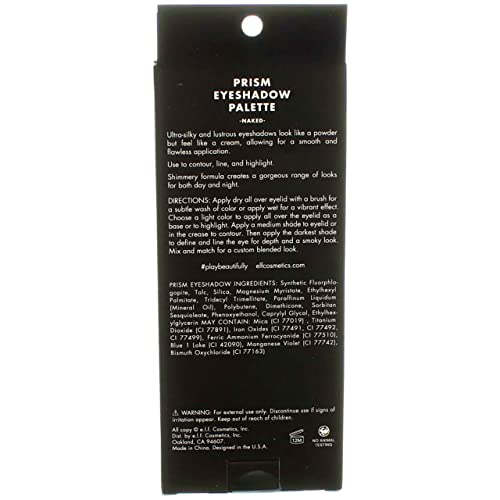
Shimmer and satin finishes contain fine mica or synthetic fluorphlogopite to catch the light, making them perfect for brightening the center of the lid. For maximum impact, look for metallic or foiled finishes. These are highly concentrated with reflective particles and are best used as accent colors. When building a collection, a balanced palette should always include a mix of matte neutrals for sculpting and shimmery tones for highlighting.
Pigmentation and Blendability
The true test of a quality eyeshadow is its pigment payoff. High-quality shadows should deliver color on the first stroke without requiring excessive pressure, which can lead to uneven application. However, high pigmentation must be balanced with blendability. If a shadow is too 'chalky' or 'patchy,' it will be nearly impossible to transition colors smoothly, resulting in harsh lines that are difficult to correct.
Look for reviews or swatches that demonstrate how the product moves. A good eyeshadow should allow for a seamless gradient, where one color melts into the next. If you are a beginner, prioritize palettes with 'buttery' textures, as these are much more forgiving during the blending process.
Color Theory and Palette Utility
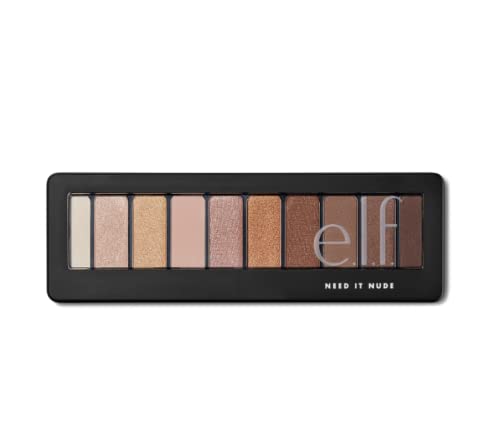
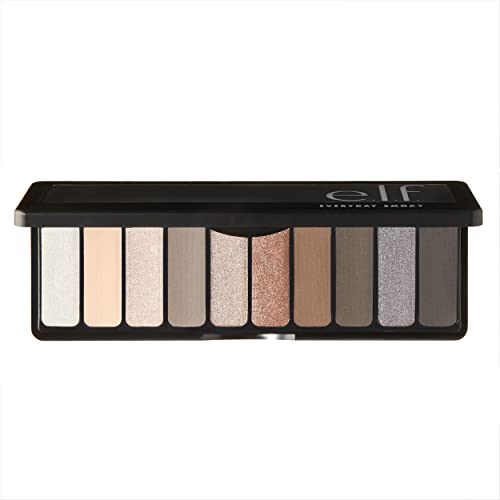
When deciding between individual shadows and multi-color palettes, consider your current inventory. A curated collection of single shadows allows for maximum customization, but palettes offer convenience and pre-designed color stories. When buying a palette, look for 'functional' color stories. This means a palette should contain a variety of tones: light transition shades, medium contour shades, and dark defining shades. Avoid palettes that are too monochromatic. A versatile palette should offer a range of temperatures (warm vs. cool) to ensure it complements different skin undertones and outfit colors.