Understanding Formula Textures
The most critical decision in your eyeshadow journey is choosing the right texture. Most products fall into three main categories: powder, cream, and liquid. Powder shadows are the industry standard because of their versatility. They are easy to blend, allow for layering, and are ideal for creating gradients and smoky effects. However, they require a primer to prevent them from settling into fine lines. Cream eyeshadows offer a more emollient experience, providing a 'one-and-done' application that is perfect for busy mornings. They tend to have a dewy finish and adhere well to the skin, though they may require setting if you have oily lids. Liquid eyeshadows provide the highest intensity of shimmer and metallic finishes, often drying down to a smudge-proof film that stays vibrant for hours.
Pigment Payoff and Blendability
When evaluating an eyeshadow, you must distinguish between 'sheer' and 'highly pigmented' formulas. High-pigment shadows provide intense color saturation with a single swipe, which is excellent for editorial looks but can be intimidating for beginners because they are harder to diffuse. If you prefer a natural, buildable look, look for shadows labeled as 'sheer' or 'buildable.' A key test for quality is blendability: a superior shadow should move smoothly across the lid without creating harsh, unblendable patches. If a powder feels 'chalky' or 'patchy' during testing, it likely lacks the necessary binders to hold the pigment together, leading to a dusty finish.
Finish and Light Reflection
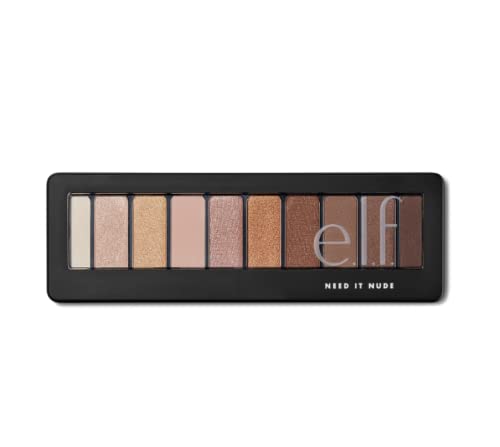
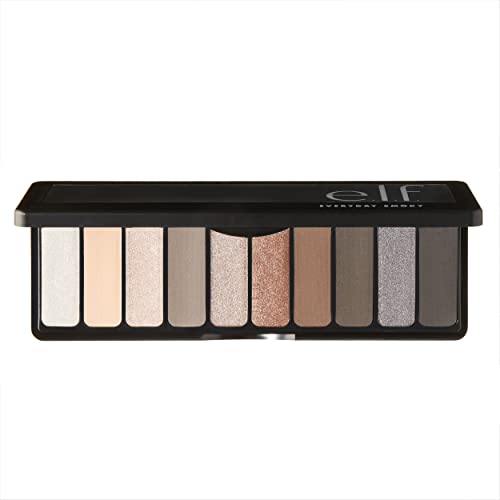
The finish of your eyeshadow dictates the mood of your makeup. Matte finishes are essential for creating depth, contouring the crease of the eye, and providing a sophisticated, modern look. They absorb light, making them perfect for everyday wear. Shimmer and satin finishes reflect light, which can help make the eyes appear more awake and voluminous. For those seeking maximum drama, metallic and glitter finishes are the way to go. However, be wary of 'glitter fallout'—high-quality pressed glitters should stay on the lid rather than migrating down your cheeks. If you have hooded eyes, leaning more toward matte textures in the crease can help create the illusion of more lid space.
Longevity and Skin Compatibility
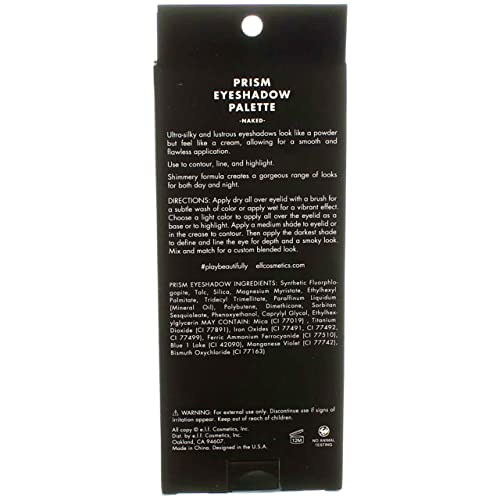
The longevity of an eyeshadow is heavily influenced by its ingredient list. Look for formulas that mention 'long-wear' or 'smudge-resistant' properties if you have oily eyelids. Ingredients like dimethicone can help the product glide and stay in place, while certain clays can help absorb excess sebum. Furthermore, consider your skin sensitivity. If you have reactive skin, avoid shadows with heavy fragrance or certain synthetic dyes that can cause redness or itching around the delicate eye area. Always remember that regardless of the formula, a high-quality eye primer is the best way to ensure your shadow remains crease-free from morning to night.