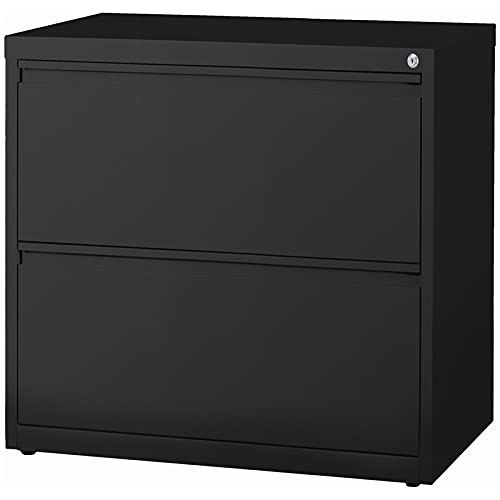
The first decision in selecting a Commclad cabinet is the orientation of the drawers. Vertical file cabinets are the classic choice for space-constrained offices. They have a narrow footprint and are ideal for stacking or placing in tight corners, but they require significant clearance in front of the drawer to open fully. Conversely, lateral file cabinets are wider and shallower. These are preferred for high-density storage and offer a more modern aesthetic. A major advantage of lateral units is the ability to use the top surface as an additional workspace or a place for office equipment, making them highly versatile in multipurpose rooms.
Drawer Capacity and Weight Ratings
Not all file cabinets are built to hold the same load. Because professional files—especially legal folders or thick medical records—can become incredibly heavy when consolidated, you must look closely at the weight capacity of each drawer. High-quality Commclad units typically feature heavy-duty ball-bearing slides. These slides ensure that even when a drawer is fully extended and loaded to its maximum capacity, the movement remains smooth and silent. Avoid units that rely on simple roller slides if you plan on storing dense, paper-heavy archives, as these can jam or tilt under pressure.
Security and Access Control
Security is a primary driver for purchasing professional-grade filing systems. If you are storing sensitive client information or proprietary data, look for cabinets equipped with integrated locking mechanisms. Some models offer single-locking systems that secure all drawers at once, while others provide individual drawer locks for tiered access. Furthermore, consider the material construction. Steel cabinets provide a physical barrier that is much more resistant to tampering and environmental wear than wood or plastic alternatives. For high-security environments, ensure the locking mechanism is robust and the keyway is protected from easy manipulation.
Material Durability and Finish
The environment in which the cabinet will reside dictates the necessary finish. In high-traffic office settings, a powder-coated steel finish is the gold standard. This type of coating is resistant to scratches, chipping, and chemical cleaners, ensuring the cabinet maintains a professional appearance over time. If the cabinet is intended for a home office or a more decorative setting, you might prioritize aesthetic integration, but for pure utility, the durability of a reinforced steel frame should always be the priority. Check for features like anti-tip mechanisms, which are crucial for taller vertical cabinets to prevent accidents during heavy use.
Organizational Efficiency Features
Finally, consider how the cabinet facilitates quick document retrieval. Some models include adjustable dividers or specialized rails that accommodate different folder sizes. If you frequently switch between hanging files and manila folders, a cabinet with versatile internal hardware will save you significant setup time. Look for units that offer clear labeling areas on the drawer fronts, as this reduces the cognitive load required to locate specific files in a large archive.