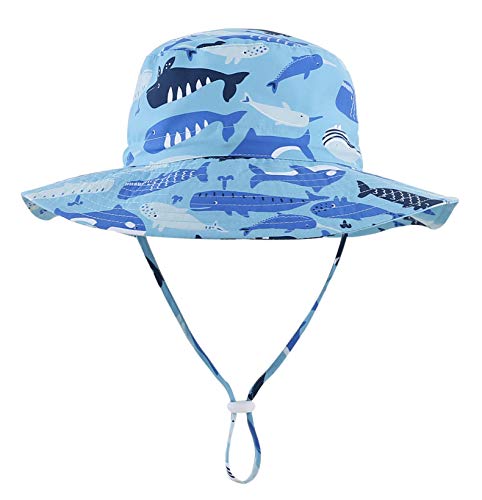
Prioritize Material and Breathability
The foundation of a great fishing hat is the fabric. Because fishing often involves high humidity and direct solar exposure, you must look for materials that facilitate moisture management. Synthetic blends like nylon and polyester are industry standards because they are lightweight, quick-drying, and resistant to the salt and sweat that can degrade natural fibers. Look for hats that feature mesh venting panels. These allow heat to escape from the crown, preventing the 'greenhouse effect' inside the hat. If you prefer a more traditional aesthetic, high-quality treated cotton can offer comfort, but ensure it is specifically designed for outdoor use to prevent it from becoming heavy and waterlogged when damp.
Sun Protection and Brim Geometry
The primary function of a fishing hat is shade. When evaluating brim styles, consider the coverage area. Wide-brimmed boonie hats or bucket hats provide 360-degree protection for the ears and the back of the neck, which are often the most vulnerable areas for sunburn. If you opt for a baseball-style cap, ensure it has a longer, curved bill to shield your eyes from surface glare, which is essential for spotting fish movements in the water. Furthermore, check for a UPF (Ultraviolet Protection Factor) rating. A hat rated UPF 50+ provides a significant barrier against harmful rays, offering much better protection than standard unrated fabrics.
Wind Resistance and Fit Security
There is nothing more frustrating than a gust of wind catching your hat and sending it into the water. For anglers on moving boats or coastal areas, a secure fit is non-negotiable. Look for hats equipped with adjustable chin straps or drawcord toggles. A high-quality chin strap should be adjustable enough to sit comfortably under the jaw without being restrictive, yet secure enough to keep the hat anchored during high winds. Additionally, look for internal sweatbands that are moisture-wicking. These help keep perspiration out of your eyes, maintaining clear vision during technical casts.
Functional Features for the Angler
Modern fishing hats often include specialized features that add immense value. Some models include integrated neck flaps (often called sun shields) that can be rolled up when not in use. Others may feature stowable brims or foldable designs that allow you to pack them into a tackle box without losing their shape. If you frequently move between sun and shade, a hat with a compressible structure is ideal. Finally, consider the 'crushability' of the hat—being able to stuff your headwear into a backpack or gear bag without ruining the brim is a major advantage for mobile anglers.
Summary Recommendation Logic
To make your final decision, match the hat to your primary fishing environment. If you are a saltwater angler facing constant wind and intense sun, prioritize a wide-brimmed boonie hat with a heavy-duty chin strap and UPF 50+ rating. If you are a freshwater enthusiast who spends time under tree canopies, a lightweight, breathable performance cap with excellent moisture-wicking properties may be more comfortable. Always prioritize technical performance over brand aesthetics. A hat that fails to keep you cool or secure will ultimately hinder your success on the water.