Understanding Hook Geometry and Shape
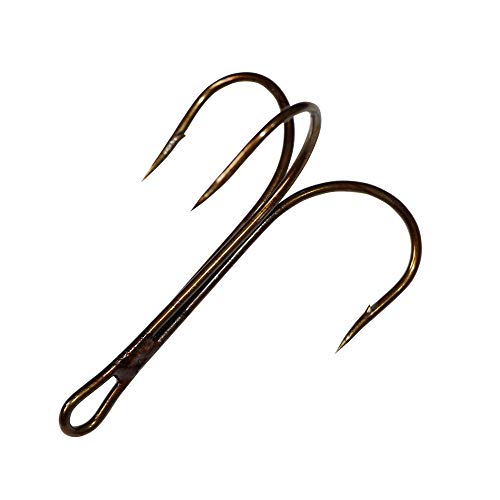
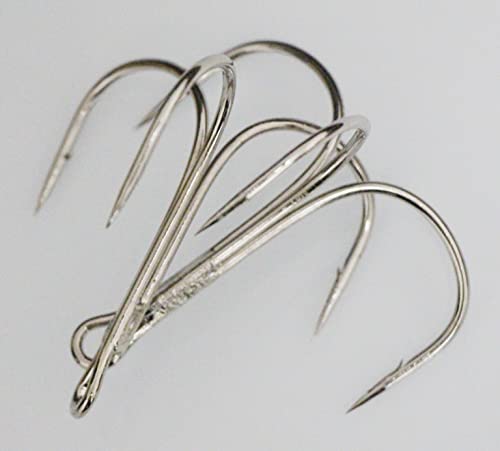
The first decision factor in selecting a Laxygo hook is the specific shape, as this dictates how the hook interacts with the fish's mouth. If you are practicing finesse fishing, you should look for 'offset' designs. An offset hook has a bend that pushes the point away from the shank, making it ideal for soft plastic baits where you want the point to be easily exposed during a twitch or jigging motion. Conversely, if you are using live bait or hard lures, a non-offset, straight-shank hook provides a more streamlined profile that reduces resistance in the water, preventing the fish from feeling the unnatural presence of the tackle.
Gauge and Wire Thickness
Not all hooks are created equal in terms of structural integrity. Laxygo offers various wire gauges that cater to different fishing styles. For light-tackle enthusiasts, a thinner wire is preferable because it allows for a smaller profile and better movement, which is essential for enticing finicky fish. However, thin wire comes at the cost of strength. If you are targeting species known for sudden, violent runs, you must opt for a heavier gauge wire. A thicker wire prevents the hook from straightening out under extreme tension, ensuring that once you have set the hook, the connection remains secure throughout the fight.
Point Sharpness and Coating Technology
A hook is only as good as its ability to penetrate. When evaluating these hooks, look for 'chemically sharpened' points. This process ensures the tip is incredibly fine, allowing it to pierce through tough scales or bony mouths with minimal effort. Furthermore, pay close attention to the coating. Laxygo hooks often feature specialized finishes designed to prevent corrosion in both freshwater and saltwater environments. A high-quality coating does more than just stop rust. It can also reduce friction, allowing the hook to slide more easily through the bait and into the fish's jaw during a strike.
Matching the Hook to the Target Species
The final step in your selection process is matching the hook size and strength to your target species. A common mistake is using a hook that is too large, which can cause unnecessary damage to the fish and make it difficult to trigger a strike. For smaller species like trout or perch, smaller, lighter hooks are mandatory. For larger predators like bass, walleye, or even saltwater species, you need a hook with a deeper bend and a more robust shank to handle the leverage required to land a heavy fish. Always consider the weight of your lure in tandem with the hook size to ensure your presentation remains balanced and effective.