Determine Your Mounting Environment
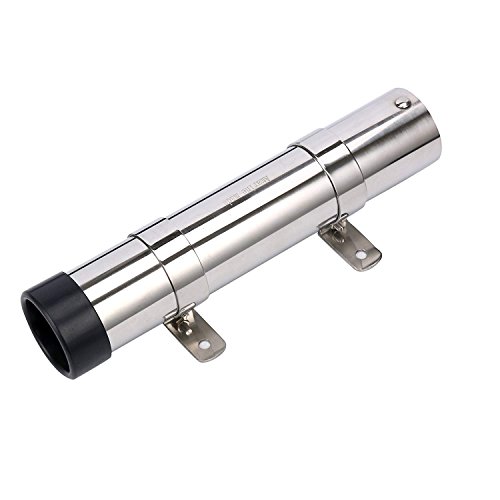
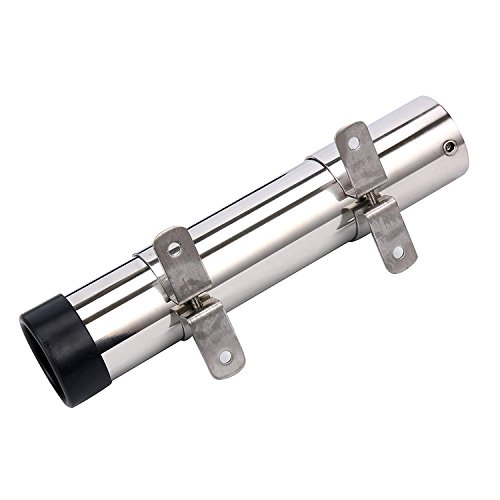
The first and most critical step in selecting an Amarine holder is identifying where it will be installed. Rod holders are not one-size-fits-all. They are categorized by their attachment method. If you are working with a permanent boat installation, you will likely look for flush-mount holders that sit level with the gunwale, providing a sleek profile and reducing trip hazards. For those using temporary setups, rail-mount or clamp-on holders offer versatility, allowing you to move your gear between different boats or even different sections of the same vessel. If you are a kayak angler, you must prioritize lightweight, corrosion-resistant designs that can be secured to specialized accessory tracks or side rails without compromising the stability of your craft.
Material Composition and Corrosion Resistance
Fishing environments are notoriously harsh, particularly when salt spray is involved. When evaluating Amarine holders, pay close attention to the materials used in construction. High-grade stainless steel is the gold standard for durability and resistance to oxidation, making it ideal for offshore saltwater applications. However, for those looking for something more lightweight or budget-conscious, heavy-duty reinforced polymers can also perform exceptionally well if they are UV-stabilized to prevent sun degradation. A high-quality holder should feel substantial in your hand. If the plastic feels brittle or the metal feels thin, it is unlikely to withstand the leverage exerted by a large fish during a fight.
Capacity and Load Bearing Strength
Not all rod holders are built to handle the same weight. You must match the holder's capacity to the type of fishing you intend to do. Trolling for large pelagic species requires a holder with a deep, reinforced socket that can withstand constant vibration and the heavy pull of a running lure. Conversely, if you are primarily jigging or casting, you might prioritize a holder with a quick-release mechanism or a more adjustable angle. Consider the diameter of your rod butts as well. A holder that is too narrow may pinch the reel seat, while one that is too wide might allow the rod to wobble excessively, leading to lost strikes.
Stability and Adjustability Features
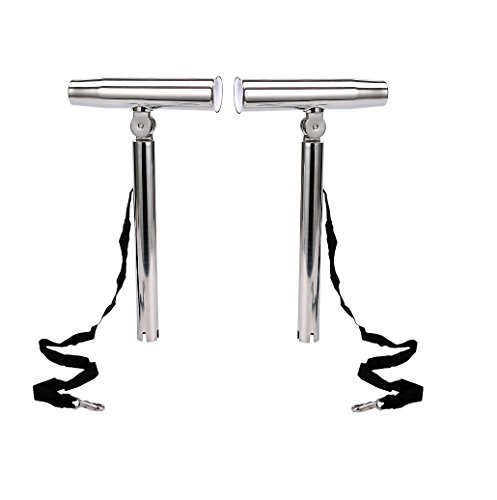
The best rod holders do more than just hold a stick. They manage the angle of the rod to optimize lure presentation. Look for models that offer adjustable tilt or swivel capabilities. This allows you to direct your lines away from the boat's propeller or adjust the angle to account for wind and current. Additionally, consider the presence of locking mechanisms. A holder that can be tightened or locked into position will prevent the rod from bouncing out of the socket when hitting choppy waves, which is a common cause of gear loss.
Final Recommendation Logic
To make your final selection, follow this hierarchy: First, define your mounting point (Rail, Flush, or Clamp). Second, select your material based on your water type (Saltwater vs. Freshwater). Third, match the holder's strength to your target species. If you are an offshore fisherman, lean toward heavy-duty stainless steel flush mounts. If you are a mobile angler, prioritize versatile clamp-on designs that offer high adjustability.