Material Composition and Durability
The first decision factor in choosing a Galashield canister is the material. Most high-quality food canisters fall into two categories: high-grade plastics (such as BPA-free Tritan) and borosilicate glass. Plastic canisters are lightweight, shatterproof, and ideal for high-use environments like children's pantries or camping kits. However, glass canisters offer superior clarity and are non-porous, meaning they won't absorb odors or stains from strong-smelling foods like spices or dried chilies. If you prioritize long-term aesthetic appeal and chemical neutrality, glass is the premium choice. If you prioritize drop-resistance and ease of transport, high-density plastics are your best bet.
Seal Integrity and Airtightness
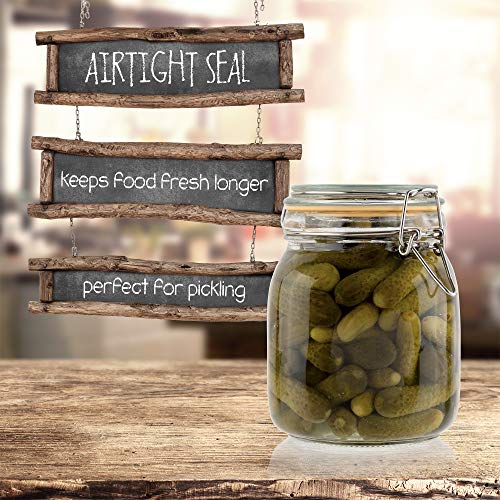
The core function of a Galashield canister is its ability to create an airtight environment. When evaluating a canister, look closely at the lid mechanism. Silicone gaskets are the industry standard for a reason. They provide a flexible, durable seal that conforms to the rim of the container. Some advanced models feature a mechanical locking mechanism—often a lever-lock or a twist-to-seal system—that applies consistent pressure to the gasket. This is particularly important for items sensitive to humidity, such as coffee beans, crackers, or baking powders. A canister that feels 'easy' to close might not be providing the vacuum-like seal necessary to truly extend shelf life.
Capacity and Modular Design
A common mistake in kitchen organization is buying canisters of a single size. A functional pantry requires a modular approach. You should look for a set that includes varying volumes: larger canisters for bulk staples like rice, pasta, or flour, and smaller, slimmer canisters for seeds, nuts, or tea. Beyond just volume, consider the 'stackability' of the design. A well-designed canister should have a recessed lid that allows the base of the next unit to sit securely on top without wobbling. This vertical integration maximizes your shelf real estate, which is vital in smaller urban kitchens.
Ease of Maintenance and Cleaning
Food safety is inextricably linked to how easily a canister can be cleaned. Avoid canisters with overly intricate mechanical parts or deep, narrow crevices where flour dust or oils can accumulate and eventually go rancid. Ideally, you want a canister where the silicone seal is removable, allowing you to wash it separately to prevent mold growth. Check whether the materials are dishwasher-safe. While hand-washing glass is standard, many high-quality plastics can withstand the heat of a dishwasher, making your kitchen maintenance significantly faster.
Recommendation Logic
To make your final decision, categorize your needs. If your goal is long-term pantry organization, prioritize a modular glass set with uniform aesthetic designs. If your goal is maximum freshness for expensive ingredients (like specialty coffee), prioritize canisters with heavy-duty mechanical airtight seals. For everyday snack storage, focus on lightweight, BPA-free plastic options that are easy for all family members to open and close.