Material Integrity and Durability
The first decision factor is the material of the canister itself. High-quality food jars typically fall into three categories: glass, stainless steel, or BPA-free high-density plastics. Glass is the gold standard for many home cooks because it is non-porous, meaning it will not absorb odors or leach chemicals into your food over time. It is also transparent, allowing for immediate visual inventory. However, glass is heavy and prone to breakage. Stainless steel canisters offer unmatched durability and are excellent for light-sensitive goods like certain spices or tea, as they provide a complete opaque barrier. If you prioritize lightweight portability or stackability, high-grade plastics are an option, but you must ensure they are food-safe and designed to withstand frequent washing without clouding or degrading.
The Science of the Seal
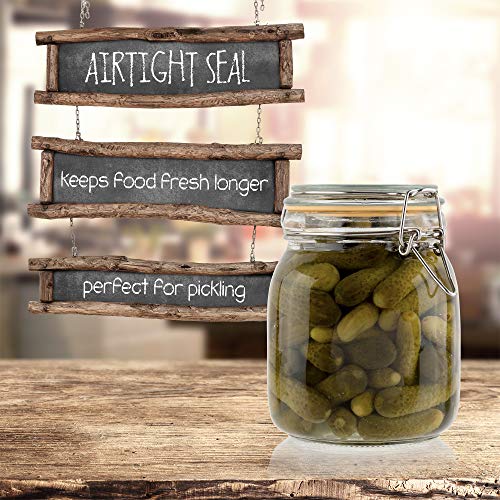
A canister is only as good as its ability to maintain an airtight environment. When evaluating food jars, look closely at the lid mechanism. The most effective canisters utilize a silicone gasket or a rubberized ring to create a vacuum or a pressurized seal. For long-term storage of items prone to staling, such as crackers or cereal, look for lever-lock or clamp-top lids that physically compress the seal against the rim. For items that require more frequent access, like salt or sugar, a screw-top lid with a thick silicone liner provides the best balance between ease of use and airtight performance. Avoid canisters that rely solely on friction-fit lids, as these often fail to prevent microscopic air exchange over several weeks.
Capacity and Modular Design
A common mistake in pantry organization is purchasing a mismatched set of jars. To maximize your storage efficiency, consider the volume of the goods you purchase most frequently. Large-capacity canisters are ideal for bulk grains, flour, and pasta, while smaller, slim-profile jars are better suited for seeds, nuts, or dried herbs. When shopping, look for a modular system where different sizes share a uniform aesthetic and lid style. This allows for stable stacking, which is crucial for maximizing vertical space in deep pantry shelves or cabinets. A well-planned canister system should allow you to nest smaller jars inside larger ones during cleaning or unused periods.
Aesthetic and Functional Ergonomics
Finally, do not overlook how the jar feels in your hand and how it looks on your counter. If you intend to keep these jars on an open countertop, choose designs with a clean, minimalist aesthetic that complements your kitchen decor. From a functional standpoint, consider the width of the jar opening. A wide-mouth canister is significantly easier to fill and, more importantly, easier to clean. Narrow-neck jars can become breeding grounds for mold or dried residue if they are difficult to reach with a standard sponge. Always prioritize canisters that offer a balance of beautiful design and practical, hygienic maintenance.