Material Composition and Weather Resistance
The most critical decision factor is the fabric technology. Not all covers are created equal. A cover designed for a climate-controlled garage is fundamentally different from one meant for a driveway exposed to heavy snow or intense sun. You should prioritize multi-layered materials. For outdoor storage, look for high-density polyethylene (HDPE) or specialized multi-layer laminates that offer high UV resistance. A single-layer cover often fails because it lacks the thermal regulation needed to prevent moisture buildup underneath. Ideally, you want a material that is breathable yet waterproof—this allows trapped condensation to escape, preventing mold and mildew from forming on your paintwork, while simultaneously blocking external liquid ingress.
Fitment and Dimensional Accuracy
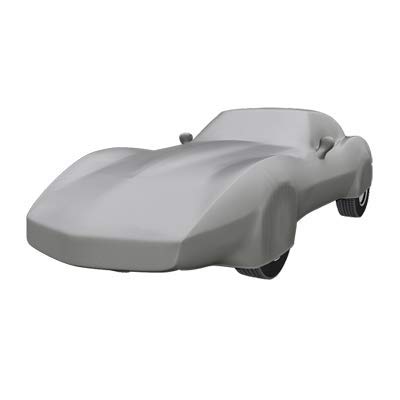
A cover that is too loose will flap in the wind, creating a 'sandpaper effect' where dust particles trapped between the fabric and the car act as an abrasive, scratching your finish. Conversely, a cover that is too tight will be difficult to install and may put undue stress on your side mirrors and door handles. When selecting a full cover, always cross-reference your vehicle's specific dimensions—length, width, and height—rather than just relying on a general size category like 'Large' or 'SUV.' Premium covers often feature elasticized hems and integrated tensioning systems to ensure the fabric contours to the vehicle's specific geometry, minimizing wind loft.
Interior Lining and Paint Safety
To ensure the cover protects rather than damages, the interior lining is paramount. Avoid covers with a raw, coarse underside. Instead, seek out options featuring a soft, non-abrasive fleece or microfiber lining. This soft layer acts as a buffer, absorbing any microscopic particulates that might find their way under the cover and preventing them from scouring the clear coat. If you have a high-end ceramic coating or a fresh wax job, a soft-lined interior is non-negotiable to prevent micro-marring during installation and removal.
Functional Features and Durability
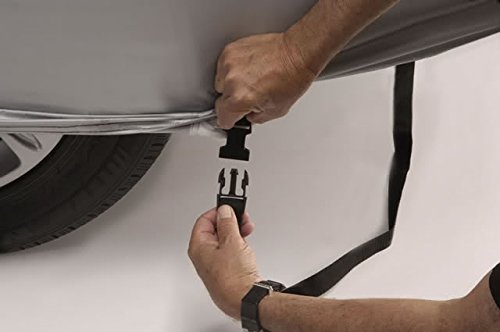
Beyond the fabric, consider the 'hardware' of the cover. High-quality covers include reinforced stitching at high-stress points, such as the mirror pockets and the hem. Look for features like heavy-duty buckled straps that anchor the cover to the chassis, preventing it from blowing away during high-wind events. Additionally, consider the ease of use. If the cover is too heavy or cumbersome to fold, you will likely avoid using it. Integrated storage bags and lightweight, yet durable, construction are signs of a well-engineered product designed for real-world utility.
Summary Recommendation Logic
When making your final choice, follow this logic: If your car is stored outdoors in direct sunlight, prioritize UV-stabilized multi-layer fabrics. If you live in a coastal or high-humidity area, prioritize breathability and moisture-wicking properties. For luxury vehicles with sensitive finishes, prioritize a heavy fleece interior lining. By matching the cover's technical specifications to your specific environmental stressors, you ensure long-term protection rather than a temporary fix.