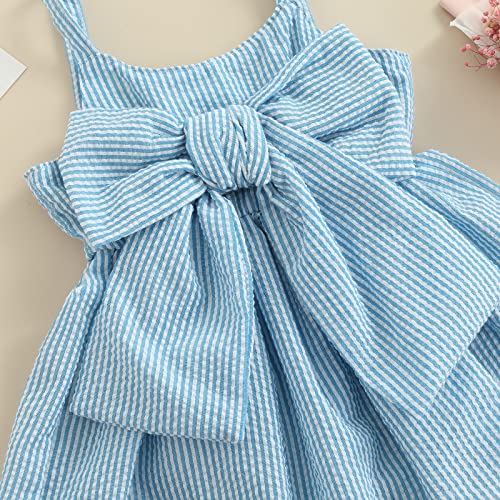
Prioritize Fabric Composition and Breathability
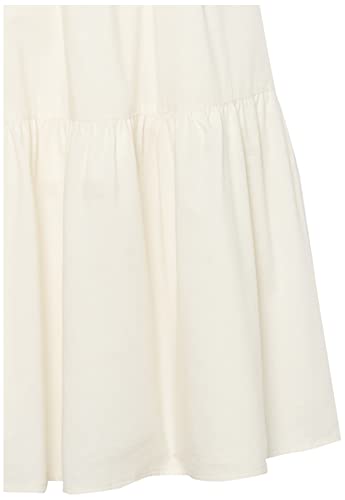
The most critical factor in selecting a casual dress for a child is the textile blend. Since these dresses are intended for frequent, all-day wear, breathability is non-negotiable. Look for high cotton content. Cotton is naturally hypoallergenic and excels at moisture management, keeping a child cool during summer months. For active girls, a small percentage of elastane or spandex can be a major benefit, providing the necessary stretch for running, jumping, and climbing without the fabric bagging out at the knees or waist. Avoid heavy, synthetic polyesters that don't breathe, as these can cause overheating and skin irritation during outdoor activities.
Consider Ease of Movement and Silhouette
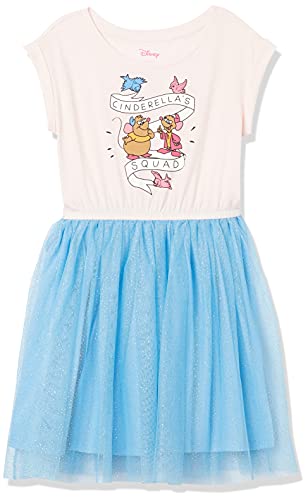
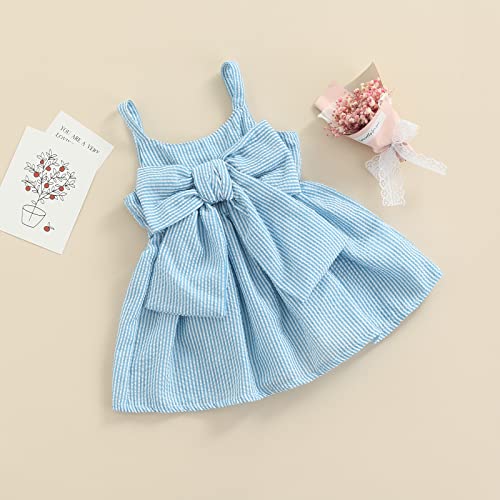
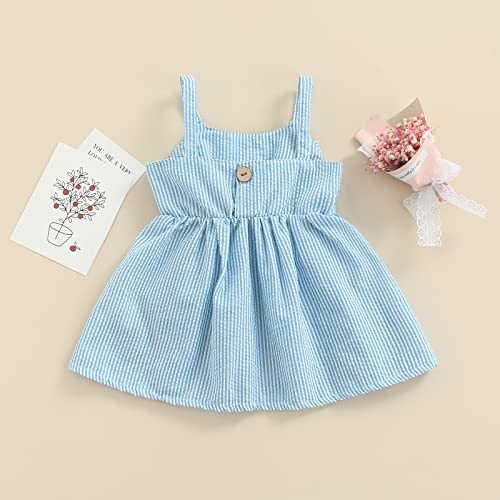
A dress that looks beautiful on a hanger may fail the 'play test' if it restricts movement. For casual daily wear, A-line silhouettes and skater-style cuts are generally superior to fitted sheath dresses. These shapes provide extra room around the hips and thighs, allowing for a full range of motion. If you are shopping for younger children, look for elasticized waistbands or smocked bodices. These features are forgiving as children grow and make it much easier for them to dress themselves. For older girls, consider the length. Knee-length or midi styles are often more practical for playground environments than mini dresses, providing better coverage during physical activity.
Evaluate Durability and Maintenance
Children are notoriously hard on their clothing. When reviewing dress options, pay close attention to the seams and hemline construction. Double-stitched seams are a sign of a higher-quality garment that won't unravel after a few trips through the laundry. Additionally, consider the care requirements. In a busy household, 'machine washable' is a necessity. Avoid delicate embellishments like sequins, intricate beadwork, or thin lace if you want a dress that can survive a standard heavy-duty wash cycle. Prints are also a strategic choice. Solid colors show stains more easily, whereas busy floral or geometric patterns are much better at masking the inevitable spills and dirt from daily life.
Seasonality and Layering Potential
Smart shopping involves looking at how a dress functions across different seasons. A lightweight jersey knit dress is a summer staple, but it can easily transition into autumn when paired with leggings and a cardigan. When selecting a dress, ask yourself if it can be layered. Sleeveless styles are the most versatile in this regard, acting as a base layer in the summer and a mid-layer in the winter. If you are buying for a specific season, ensure the weight of the fabric matches the climate—heavier ponte knits for cooler months and lightweight voile or cotton blends for heat.
Sizing and Growth Room
Children grow at unpredictable rates. When choosing a casual dress, it is often wise to opt for a slightly more relaxed fit rather than a skin-tight silhouette. A dress that is slightly loose can be worn for a longer period and can be layered with thermal tops underneath if the weather turns cold. Always check the specific size charts provided, as casual wear sizing can vary significantly between different fabric blends.