Prioritize Fabric Composition and Breathability
The most critical factor in any child's wardrobe is the textile blend. Since children are naturally active, the fabric must handle sweat, movement, and frequent washing. Look for cotton-rich blends for everyday wear. Cotton provides superior breathability and softness against sensitive skin, reducing the risk of irritation. For more structured or formal styles, a polyester blend might be preferable as it resists wrinkling and maintains its shape through multiple wash cycles. If you are shopping for summer months, prioritize lightweight weaves that allow for airflow, whereas heavier jersey knits are ideal for year-round layering under cardigans or denim jackets.
Consider the Silhouette for Activity Levels
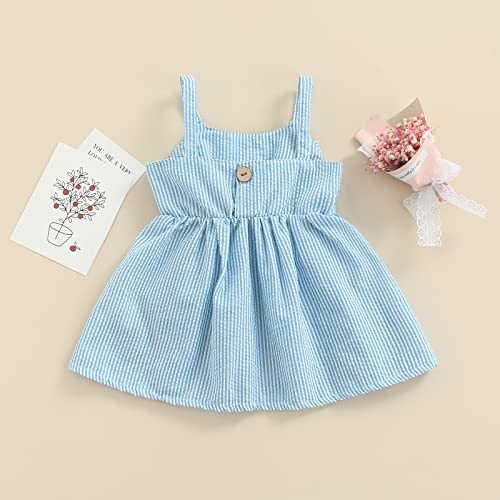
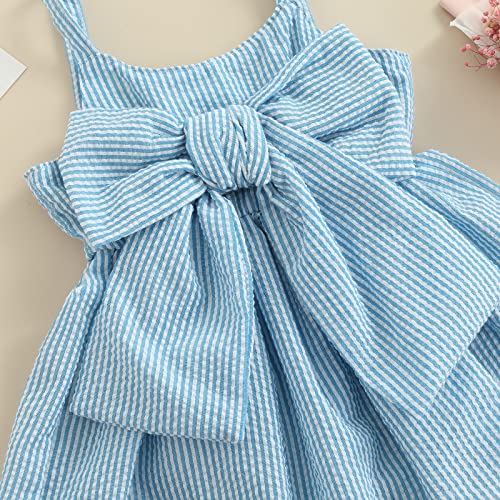
The cut of a dress dictates how much freedom of movement a child will have. A-line silhouettes are the gold standard for versatility, offering a flared skirt that allows for easy running and playing without feeling restrictive. For more formal occasions, empire waists or smocked bodices provide a classic look, but ensure the armholes and neckline are not so tight that they impede movement. If the dress is intended for school or structured environments, consider modest hemlines that provide coverage during playground activities. Conversely, sleeveless sundress styles are excellent for heat management but may require additional layering for temperature control.
Evaluate Durability and Maintenance
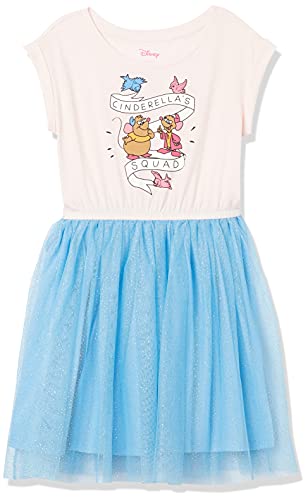
Children are notoriously hard on their clothing. When selecting essential dresses, inspect the seam construction. Reinforced stitching at the waist and hemline is a sign of a garment designed to survive the playground. Additionally, consider the ease of care. While dry-clean-only fabrics might look sophisticated, they are rarely practical for daily life. Aim for machine-washable fabrics that are colorfast, meaning the vibrant pinks, blues, or floral patterns won't fade into dull pastels after three washes. Check if the fabric is prone to pilling. A high-quality knit should remain smooth even after repeated friction.
Sizing for Longevity and Growth
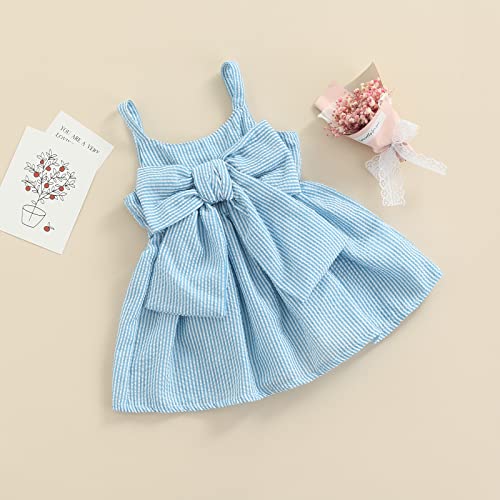
One of the biggest hurdles in children's fashion is the rapid rate of growth. When choosing a dress, consider whether the design allows for 'growing into' the garment. Dresses with adjustable elements, such as elasticized waistbands, spaghetti straps that can be tied, or slightly longer hemlines, offer much better value. If a dress is borderline in size, it is often wiser to size up, especially if the fabric is a non-stretch woven material. A slightly loose fit can be managed with a belt or layered under a sweater, whereas a dress that is too tight at the chest or waist becomes unwearable almost immediately.
Style Versatility and Layering Potential
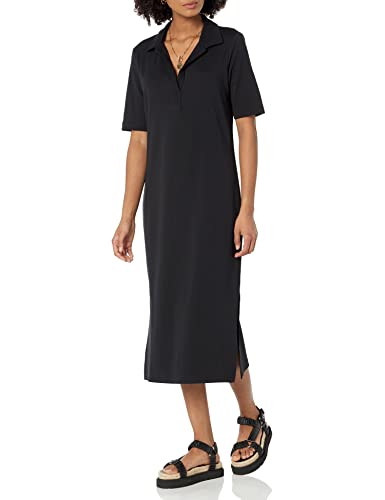
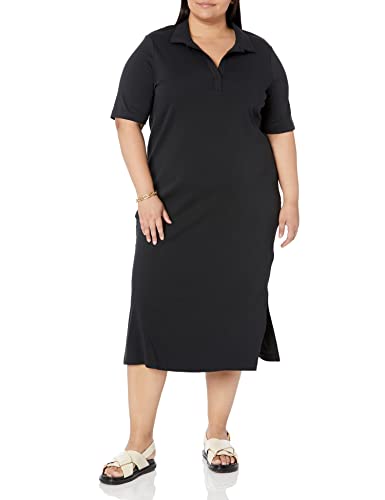
To get the most value out of your purchase, look for 'bridge pieces'—dresses that can be dressed up or down. A solid-colored jersey dress can be paired with leggings and sneakers for a casual day out, or with a headband and ballet flats for a family event. Patterns like florals, polka dots, or stripes are timeless, but solid neutrals are often easier to mix and match with existing wardrobe staples. By choosing versatile colors and adaptable cuts, you build a cohesive wardrobe that minimizes the need for constant new purchases.