Prioritize Fabric Composition and Breathability
The most critical factor in selecting a dress for a young girl is the textile blend. For everyday wear, look for high cotton content. Cotton is naturally breathable and moisture-wicking, which helps regulate body temperature during outdoor play. If you are looking for dresses intended for active use, a blend containing a small percentage of elastane or spandex is beneficial, as it provides the necessary stretch for movement without the garment becoming baggy over time. Avoid heavy, purely synthetic fabrics for summer collections, as these can trap heat and cause skin irritation. Conversely, for autumn or winter selections, look for brushed cotton or jersey knits that provide a layer of warmth while remaining soft against sensitive skin.
Evaluate Construction and Durability
Children are notoriously hard on their clothing. When inspecting a dress, pay close attention to the seam construction. Double-stitched hems and reinforced necklines are indicators of a garment that can survive the rigors of the washing machine and the playground. Check the quality of closures. Zippers should glide smoothly without catching, and snaps should be securely attached to prevent choking hazards or frustration during dressing. Additionally, consider the weight of the fabric. A dress that is too sheer may require an extra layer underneath, which can add bulk and discomfort, whereas a medium-weight fabric typically offers the best balance of durability and drape.
Consider Sizing Longevity and Fit Styles
One of the biggest challenges in children's fashion is how quickly kids outgrow their clothes. To maximize the value of your purchase, look for 'growth-friendly' silhouettes. A-line dresses and empire waists are excellent choices because they do not cling tightly to the midsection, allowing for a bit of extra room as the child grows. Avoid overly structured garments with rigid bodices if you want the dress to last more than a single season. When reading size charts, always prioritize the chest and waist measurements over total height, as children's proportions vary significantly. If a dress falls between two sizes, opting for the larger size is generally the wiser move, especially if the fabric is 100% cotton, which may undergo slight shrinkage after the first wash.
Match Style to Occasion
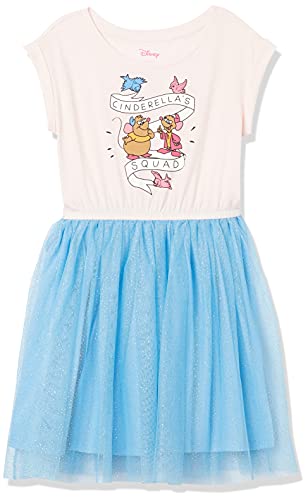
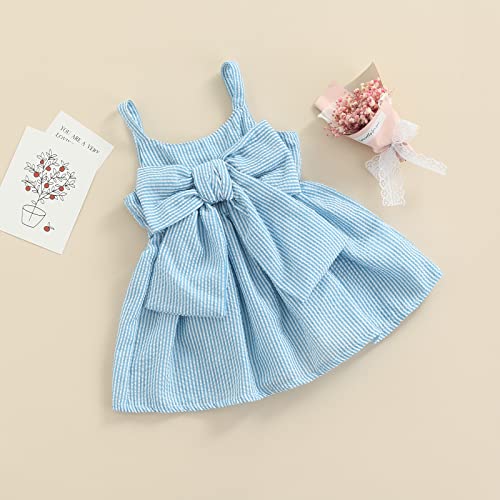
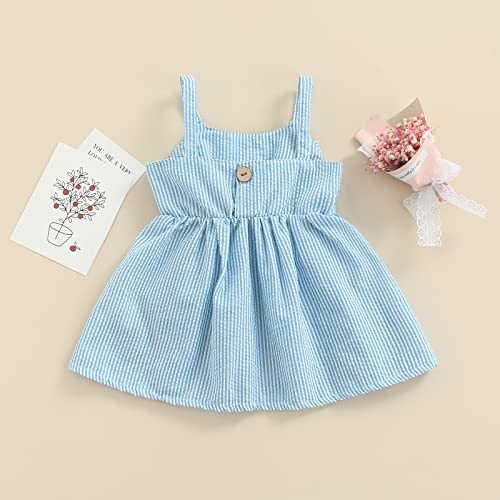
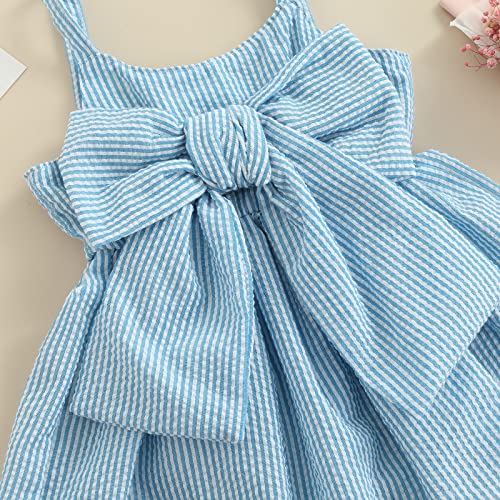
To build a versatile wardrobe, aim for a mix of 'play' dresses and 'occasion' dresses. Play dresses should feature washable fabrics like jersey knits and simple patterns like stripes or solids that hide small stains well. Occasion dresses—intended for parties or holidays—can incorporate more structured fabrics like twill or poplin and may feature decorative elements like ruffles, bows, or floral prints. A smart shopping strategy is to select a base of neutral-colored essential dresses that can be easily accessorized with different cardigans or leggings, allowing a single dress to serve multiple purposes throughout the year.