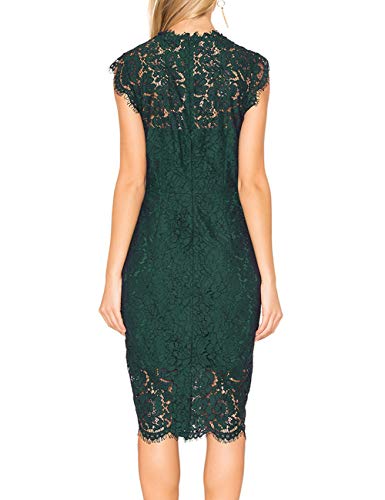
Prioritize Fabric Composition and Tactile Comfort
In the realm of girls' fashion, especially with more structured or voluminous dresses, the lining is just as important as the outer shell. Many high-fashion dresses utilize tulle, lace, or heavy satin to achieve a dramatic silhouette. While these materials look stunning in photographs, they can sometimes be abrasive against sensitive skin. When selecting a Merokeety piece, always check if the dress features a soft cotton or breathable rayon lining. A dress that looks spectacular but causes itching will quickly end up at the back of the closet. Look for high-quality tulle that feels soft to the touch rather than scratchy, and ensure that any sequin or beadwork is securely attached and backed by a protective layer.
Evaluate Silhouette and Movement
The silhouette of a dress dictates its purpose. For formal events like weddings, an A-line or ballgown silhouette provides that classic, 'princess' aesthetic that many young girls love. However, consider the venue and the child's activity level. If the event involves a lot of running or dancing, a dress with a slightly more relaxed skirt or a shorter hemline might be more practical. Pay close attention to the waistline construction. Empire waists are excellent for younger children as they allow for more movement around the midsection, whereas cinched waists are better suited for older girls looking for a more sophisticated, mature fashion profile.
Consider Occasion-Specific Details
Not all formal dresses are created equal. A dress intended for a summer garden party should lean toward lighter colors, floral motifs, and breathable fabrics. Conversely, a holiday or winter gala dress might feature heavier satins, deeper jewel tones, and more intricate embroidery. When browsing the collection, match the level of ornamentation to the event's formality. A dress with heavy layering and voluminous skirts is perfect for a wedding, but might be overkill for a casual birthday brunch. Look for details like bow accents, lace overlays, and scalloped edges to add character without overwhelming the wearer.
Sizing and Longevity Logic
Children grow at unpredictable rates, which is a critical factor when investing in high-quality fashion. When deciding on a size, consider the 'room to grow' factor. If a dress is a close fit in the shoulders, it may become unwearable within a few months. Look for designs that offer a bit of flexibility, such as smocked bodices or adjustable back ties, which can accommodate slight changes in growth. Additionally, consider the ease of care. While many formal dresses require dry cleaning, choosing pieces that can be gently hand-washed will save significant time and effort in the long run. Always prioritize quality construction—sturdy seams and reinforced hems—to ensure the dress can be passed down to siblings or kept as a cherished keepsake.