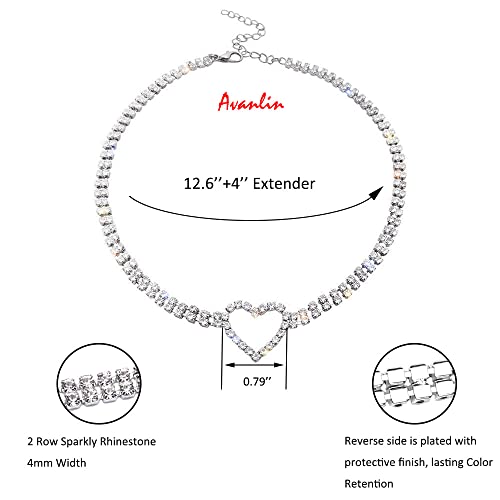
For young skin, the composition of the necklace chain and setting is the most critical factor. Children and young teenagers often have sensitive skin that can react poorly to base metals like nickel. When shopping for diamond necklaces, always look for high-quality precious metals such as 14k gold (yellow, white, or rose) or sterling silver. Gold is the gold standard for longevity because it resists tarnishing and can be easily repaired by a jeweler if a clasp breaks. If you are looking for a more budget-friendly option, ensure any silver used is high-grade sterling silver to prevent skin discoloration. Avoid 'costume' metals that are plated over zinc or copper, as these will flake or irritate the skin within a few months of wear.
Evaluate Stone Security and Setting Styles
Diamonds in children's jewelry should be held securely to prevent loss during play or sleep. Because young girls are naturally active, the setting style matters immensely. A 'bezel setting'—where the metal completely surrounds the perimeter of the diamond—is the safest choice. It protects the edges of the stone from chipping and prevents the diamond from snagging on clothing. While 'prong settings' are classic and allow for more light to enter the stone, they can sometimes catch on sweaters or hair. If you opt for prongs, ensure they are sturdy and well-polished. Additionally, check that the diamond is flush with the metal to minimize the risk of the stone being knocked loose during physical activity.
Consider Chain Length and Versatility
A common mistake in buying jewelry for girls is selecting a chain that is too short or too delicate. A necklace that is too tight can be uncomfortable, while one that is too long can become a tangle hazard. For younger children, a slightly shorter, sturdier chain is often better. For older girls, look for adjustable chains that allow the piece to grow with them. A 'choker' length might be trendy for a teen, but a standard 16 to 18-inch chain offers much more versatility for different necklines. Furthermore, consider the weight of the pendant. A heavy pendant on a thin, spindly chain will cause the necklace to flip or sit awkwardly against the chest.
Style Longevity: Timeless vs. Trendy
When investing in a diamond necklace, consider whether you want a piece that reflects current fads or one that remains stylish for a decade. Small solitaire pendants, tiny heart motifs, or simple geometric shapes tend to age gracefully. While character-themed jewelry or bright, colorful enamel accents might be popular in the moment, they may lose their charm as the child grows. A classic diamond solitaire or a small pavé pendant is a 'forever' piece that a girl can wear to a school dance, a graduation, or a holiday celebration well into her adult years.