Prioritize Material Quality and Longevity
The primary reason parents gravitate toward Florsheim is the brand's reputation for craftsmanship. When selecting a pair, the first decision factor is the upper material. Genuine leather is the gold standard for girls' loafers. Leather is naturally breathable, which helps prevent moisture buildup during long days at school, and it possesses the unique ability to mold to the shape of the child's foot over time. Furthermore, leather is more resilient against the scuffs and scrapes of playground activity compared to synthetic alternatives. If you are looking for a more budget-friendly option, look for high-quality synthetic leathers that offer a smooth finish, but be aware that they may lack the same longevity and breathability as genuine hides.
Focus on Sole Construction and Traction
A loafer is only as good as its foundation. For girls who are constantly on the move, the outsole is a critical component. Look for loafers that feature a rubberized sole rather than a hard resin or plastic sole. Rubber provides much-needed shock absorption and, more importantly, superior traction on polished school hallways or damp sidewalks. Pay close attention to the tread pattern. A deeper lug pattern or a textured underside will prevent slips. Additionally, consider the flexibility of the sole. A shoe that is too rigid can cause discomfort and affect a child's natural gait, whereas a slightly flexible sole allows for a more natural stride during recess or walking between classes.
Comfort Features and Interior Lining
Since loafers are often worn without socks or with thin dress socks, the interior construction is paramount. Avoid loafers with harsh, unlined seams that can cause blisters. High-quality Florsheim models often feature padded footbeds or cushioned insoles designed to distribute pressure evenly across the foot. Check for moisture-wicking linings that help keep feet dry. If your child is particularly sensitive to footwear, look for styles that offer extra padding around the heel collar, as this is a common area for friction and irritation in slip-on styles.
Style Versatility and Occasion Readiness
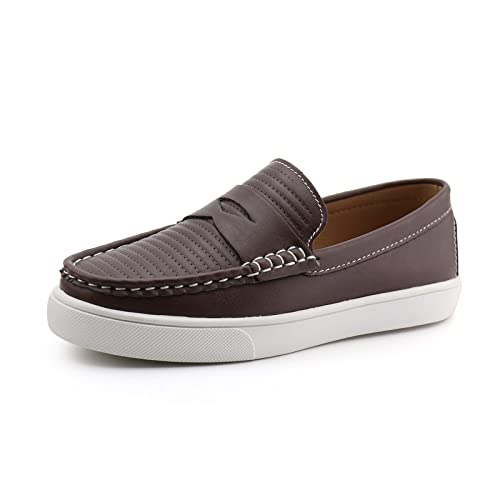
When choosing a style, consider the frequency of use. A classic penny loafer in a deep burgundy or classic black is the most versatile choice, easily pairing with pleated skirts, trousers, or even denim. If the loafers are intended primarily for formal events or religious services, you might opt for styles with metallic hardware or patent finishes. However, for daily wear, a matte leather finish is generally more forgiving of minor scratches. Think about the 'wearability' of the color. Neutral tones are easier to coordinate with existing wardrobes, reducing the need to purchase multiple pairs for different outfits.
Sizing and Fit Considerations
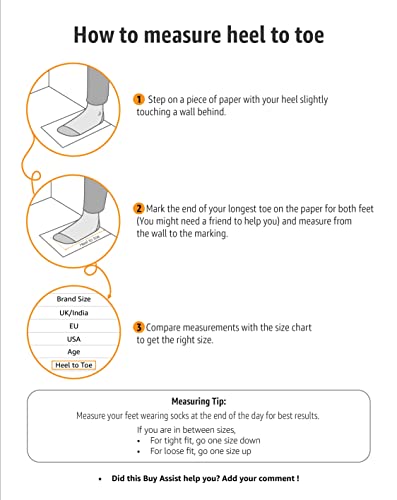
Because loafers lack laces, getting the fit right is essential to prevent the foot from sliding forward or the heel from slipping out. A proper fit should feel snug around the instep—the top part of the foot—without being restrictive. If the loafer is too loose, the child will struggle to keep them on, leading to tripping hazards. If they are too tight, they will cause pain during growth spurts. We recommend checking the width of the toe box to ensure there is enough room for toes to splay naturally, which is vital for healthy foot development in growing girls.