Prioritizing Material Quality and Skin Sensitivity
When selecting jewelry for children and young girls, the most critical factor is the material. Young skin can be highly sensitive to certain alloys, particularly those containing nickel, which is a common culprit for allergic reactions and irritation. For a piece intended to be worn frequently, prioritize high-quality metals such as sterling silver, 14k gold, or gold-filled options. Sterling silver offers a beautiful, bright luster that is perfect for everyday wear, while gold provides a classic, heirloom quality that resists tarnishing better over long periods. If you are looking for a budget-friendly option that still maintains integrity, look for 'gold-filled' rather than 'gold-plated'. Gold-filled jewelry has a much thicker layer of precious metal, ensuring the color won't rub off after a few wears.
Choosing the Right Style for Her Personality
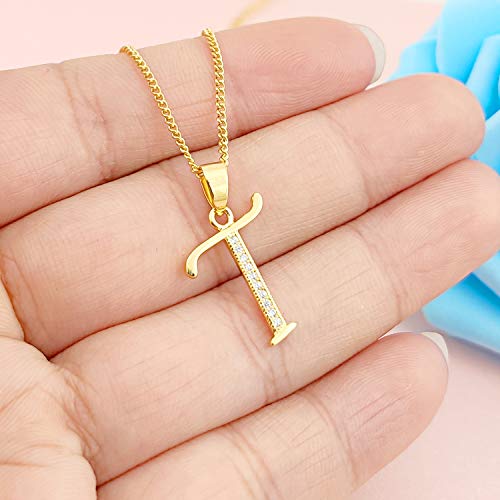
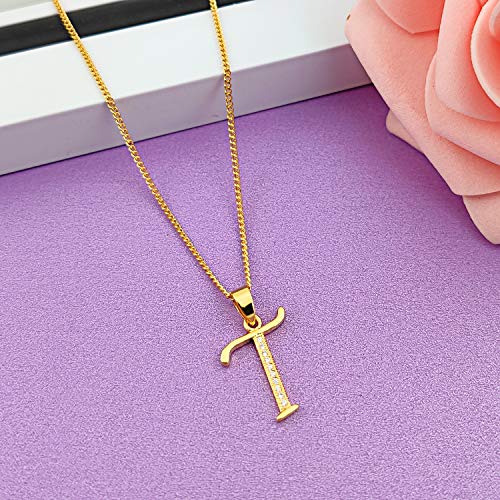
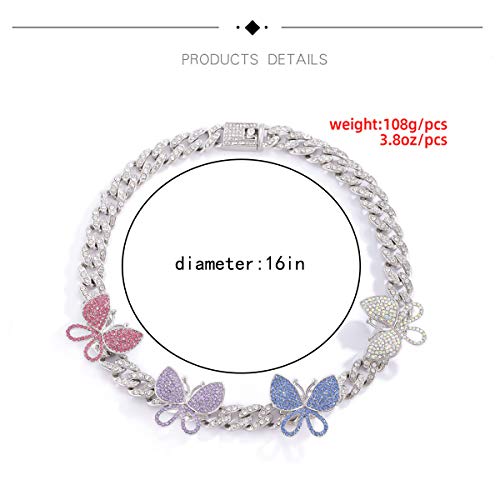
A girl's style is often an extension of her evolving identity. To find the 'brilliant' match, consider her current aesthetic. For the whimsical and imaginative girl, look for pendants shaped like celestial bodies (stars and moons), butterflies, or delicate floral motifs. These designs feel magical and lighthearted. For the more sophisticated or 'mini-classic' girl, a simple solitaire pendant—perhaps a small pearl or a single sparkling cubic zirconia—offers a refined look that grows with her. Minimalist chains with small, meaningful charms are also highly versatile, allowing her to express herself without the jewelry feeling overwhelming or too heavy for her neck.
Length and Functionality: The Practicality Factor
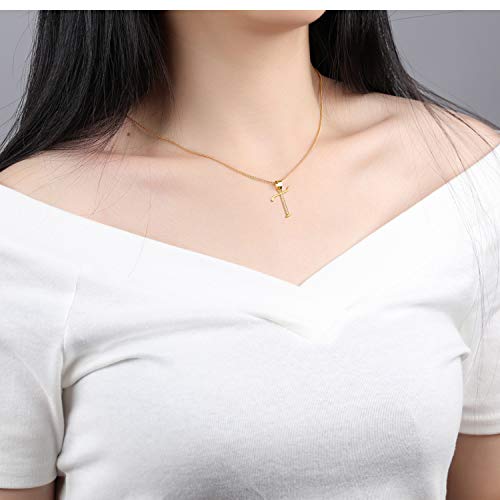
A common mistake in buying children's necklaces is overlooking the length of the chain. A chain that is too long can become cumbersome or get caught in clothing, while one that is too short may feel restrictive. For younger girls, a 'choker' length or a standard 14-to-16-inch chain is typically ideal. As she enters her pre-teen years, a 18-inch chain becomes more versatile for various necklines. Additionally, pay close attention to the clasp mechanism. Lobster claws are generally more secure and easier for small hands to manipulate than spring ring clasps, making them a superior choice for pieces intended for active daily wear.
Gemstones and Sparkle: Meaning vs. Maintenance
The 'brilliant' aspect of these necklaces often comes from the stones. If you are opting for gemstones, consider the balance between beauty and durability. Clear stones like cubic zirconia or lab-created crystals provide incredible brilliance and are much more resilient to the bumps and scrapes of childhood than soft natural stones. If you choose to incorporate birthstones, ensure the setting is 'bezel-set' (where the metal surrounds the stone) rather than 'prong-set.' A bezel setting provides a protective rim around the gem, significantly reducing the risk of the stone falling out during play.
The Longevity Test: Is it an Heirloom or a Trend?
Before finalizing your purchase, ask yourself if this piece will still be beautiful in five years. A high-quality necklace should be able to transition from a child's playwear to a young woman's accessory. Avoid overly chunky or 'novelty' plastics that may feel dated quickly. Instead, lean toward classic motifs and sturdy construction. A well-chosen necklace is not just a gift for today. It is a foundational piece of her jewelry collection that she can eventually pass down, carrying the brilliance of her childhood with her.