Prioritize Fabric Composition and Softness
The most critical factor in selecting a pullover for a child is the tactile experience. Children are often highly sensitive to textures. A sweater that is even slightly scratchy can lead to discomfort and refusal to wear it. When browsing, look closely at the material blends. Cotton-rich blends are excellent for year-round wear because they are breathable and hypoallergenic, making them ideal for sensitive skin. For colder climates, look for synthetic blends that incorporate acrylic or polyester, as these materials are engineered to retain heat and, crucially, are much more resistant to shrinking and pilling than 100% natural fibers. A medium-weight knit is usually the most versatile, offering enough warmth for autumn without being too bulky for indoor classroom environments.
Consider Knit Density and Durability
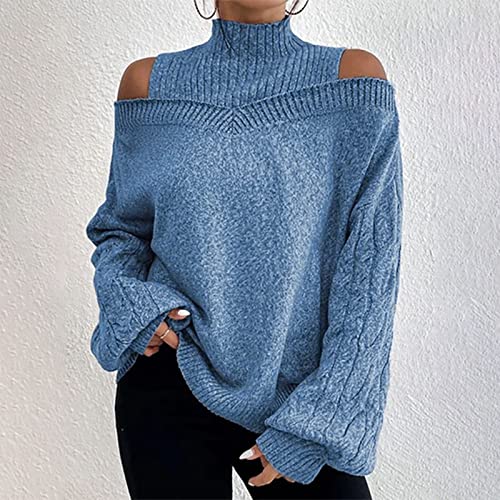
Not all knits are created equal. A loose, open knit might look trendy, but it is prone to snagging on toys, zippers, or playground equipment. For everyday school wear, a tighter, denser knit construction is preferable. This density ensures the sweater holds its structural integrity—meaning the cuffs and hem won't stretch out and become 'baggy' after a few hours of wear. Pay attention to the ribbing on the neckline, wrists, and waist. High-quality pullovers feature reinforced ribbing that acts like a spring, allowing the garment to be pulled on and off easily while snapping back into its original shape. If the ribbing looks thin or flimsy, the sweater likely won't survive a full school year of frequent laundering.
Evaluate Style Versatility and Layering Potential
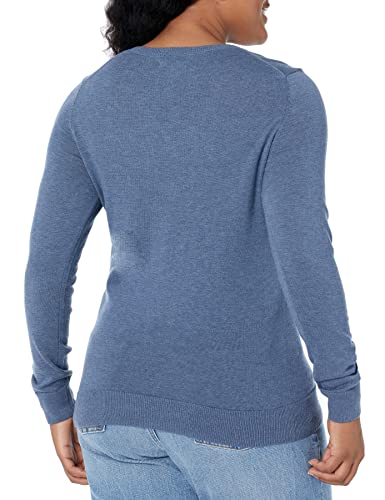
When building a child's wardrobe, think about how a sweater will interact with existing pieces. Crewneck pullovers are the most versatile option, as they allow for collared shirts to peek out underneath for a preppy look or can be worn over a simple t-shirt for casual days. V-neck styles offer a slightly more dressed-up aesthetic but may require specific layering strategies. Consider the weight of the garment when deciding on the silhouette. A slim-fit pullover is perfect for layering under denim jackets or heavy coats, whereas a slightly oversized or 'relaxed' fit works beautifully as a standalone piece during transitional seasons. Neutral colors like heather gray, navy, and cream offer the most longevity, but seasonal pops of color can make the garment feel more personal to the child's taste.
Maintenance and Ease of Care
Let's be realistic: children's clothing requires frequent washing. Avoid high-maintenance fabrics that demand hand-washing or dry cleaning. The best choice for a busy household is a machine-washable and machine-dryable sweater. Check the care instructions to ensure the fabric can handle a standard laundry cycle without losing its softness or shape. Sweaters that are labeled as 'easy care' or those made from durable synthetic blends are generally much more forgiving of the occasional spill or heavy-duty wash cycle required to keep them hygienic.