Prioritize Fabric Durability and Comfort
The most critical factor in a girls' skirt is the textile composition. Since children are constantly in motion, look for fabrics that offer a blend of softness and resilience. Cotton blends are often the gold standard for everyday wear because they are breathable and gentle on sensitive skin. However, for skirts intended for active play, a touch of spandex or elastane is highly beneficial. This provides the necessary stretch for climbing, running, and sitting comfortably in a classroom setting. Avoid overly stiff synthetic fabrics that might chafe or restrict movement. If you are looking for a more structured look, such as a denim skirt, ensure the denim has a bit of stretch to prevent the waistband from digging in during growth spurts.
Consider the Silhouette for Versatility
The cut of the skirt determines how often it can actually be worn. For a multi-purpose wardrobe, consider these three primary silhouettes:
- A-Line Skirts: These are universally flattering and offer plenty of room for movement. They work equally well with a casual t-shirt or a slightly dressier blouse.
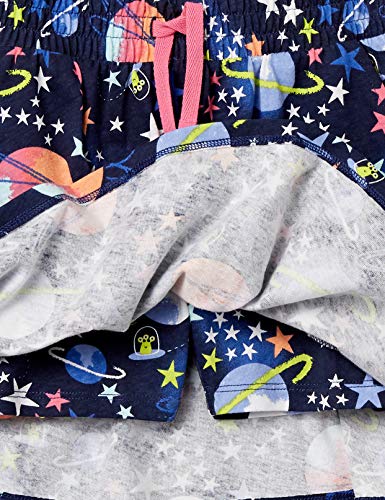
- Skorts: For younger children or high-activity days, skorts are a game-changer. By integrating built-in shorts underneath the skirt fabric, they provide the aesthetic of a skirt with the security and coverage of athletic wear.
- Pleated Skirts: These offer a more classic, academic look. While they are excellent for school uniforms or special occasions, ensure the pleats are sewn securely so they don't flatten out after a few cycles in the laundry.
Waistband Functionality and Fit
Girls grow at unpredictable rates, which makes the waistband design one of the most important decision factors. Elastic waistbands are generally superior to fixed button-and-zip closures for everyday essentials. An elastic waist allows for a more forgiving fit, accommodating both sudden growth spurts and the layering of tights underneath during colder months. Look for wide, soft elastic that distributes pressure evenly around the waist to prevent red marks or discomfort. If you are shopping for school-aged children, a waistband with an adjustable internal elastic (often found in toddler and elementary sizes) can extend the life of the garment by several months.
Seasonal Appropriateness and Layering
When building a collection of essential skirts, think about the changing seasons. Lightweight cotton skirts are perfect for summer, but you should also consider how the skirt will pair with other items in the winter. A skirt with a slightly heavier weight or a darker color palette often transitions better into autumn and winter when paired with leggings, thermal tights, and sweaters. Always check the opacity of the fabric. Lighter-colored skirts in thinner materials may require additional layers underneath to ensure full coverage, especially in bright sunlight or school environments.
Care and Longevity
Since essential pieces are meant to be high-frequency wear items, they will face frequent laundering. Check the care labels to ensure the skirt is machine washable. To prevent pilling and fading, look for high-quality dyes and tightly woven fabrics. Skirts that are prone to heavy wrinkling may become a hassle for busy mornings, so a wrinkle-resistant blend can save significant time during the school week.