Prioritize Fabric Composition and Texture
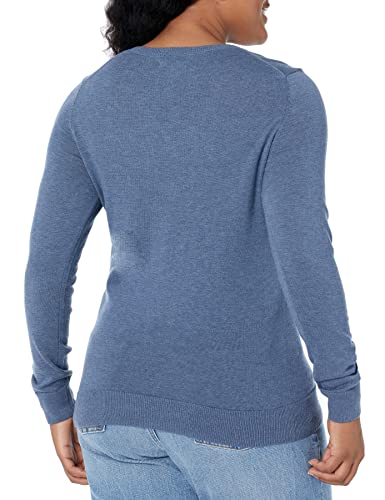
The most critical factor in any sweater purchase is the material blend. For younger children, softness is non-negotiable to prevent itching and discomfort. Look for cotton-rich blends if you are prioritizing breathability and ease of care. Cotton is excellent for layering and doesn't trap excessive heat, making it ideal for classroom environments. If you are shopping for colder climates, synthetic blends containing acrylic or polyester are often superior because they retain their shape better after multiple washes and provide extra insulation. While pure wool is incredibly warm, it can be difficult to maintain and may be too scratchy for some kids, so a blend is usually the smartest middle ground for everyday wear.
Consider the Knit Style for Versatility
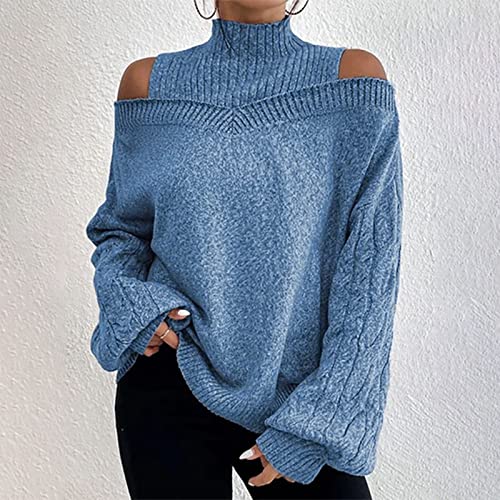
The construction of the sweater dictates how it can be styled and how much warmth it provides. Fine-gauge knits (smooth, thin textures) are highly versatile and serve as excellent base layers under jackets or vests. These are perfect for school days where layering is necessary to adjust to changing indoor and outdoor temperatures. Conversely, chunky cable knits or ribbed textures are statement pieces that offer significant warmth. These are best reserved for outdoor excursions or as a standalone top during milder weather. When choosing, consider the child's activity level: a tighter, smoother knit is less likely to snag on playground equipment than a loose, heavy weave.
Evaluate Durability and Maintenance Requirements
Children's clothing undergoes significant stress. When inspecting a sweater, look closely at the ribbed cuffs and the hemline. These areas are prone to stretching out over time. Reinforced stitching in these zones is a hallmark of a well-made garment. Furthermore, consider your laundry routine. Many high-quality knitwear options are labeled as machine washable, which is a massive advantage for busy households. Avoid items that require hand-washing or flat-drying unless you are prepared for the extra labor. A sweater that pills easily or loses its shape after one wash will quickly become a frustration rather than a wardrobe staple.
Sizing for Longevity and Layering
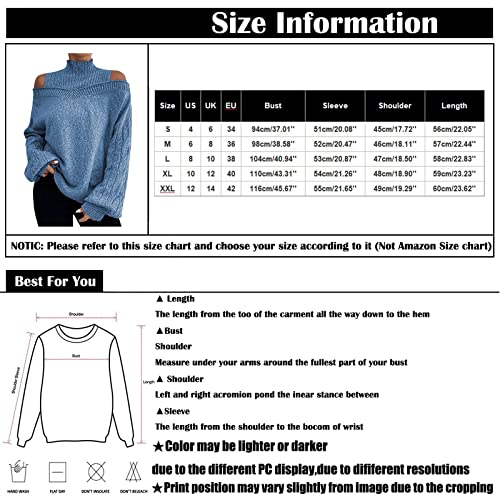
When selecting a size, it is often wise to consider the 'growth factor.' A sweater that fits perfectly today might be too tight by next season. For knitwear, opting for a slightly relaxed fit is generally more practical than a slim fit. This allows for comfortable layering over long-sleeved tees or blouses without restricting movement. Pay attention to the sleeve length and shoulder seams. If the shoulder seam sits slightly past the natural shoulder, it provides a more relaxed, contemporary look and offers more room for the child to grow into the piece.