Prioritize Fabric Composition and Softness
The most critical factor in children's clothing is the tactile experience. Children have much more sensitive skin than adults, and a sweater that looks beautiful but feels 'scratchy' will quickly be abandoned. When evaluating sweaters, look for blends that prioritize softness. Cotton-rich blends are excellent for year-round wear because they are breathable and hypoallergenic, reducing the risk of skin irritation. For colder climates, look for acrylic or soft synthetic blends that mimic the warmth of wool without the heavy itchiness often associated with natural fibers. Avoid high-percentage pure wool unless it is specifically labeled as 'superwash' or 'merino,' as traditional wool can be quite abrasive for active toddlers and young girls.
Consider the Knit Structure and Weight
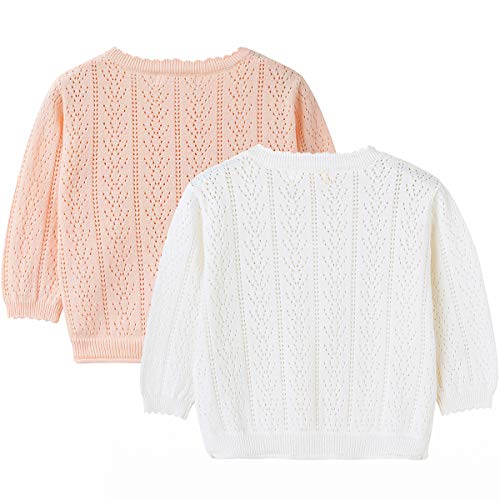
Not all sweaters are created equal in terms of thermal regulation. A lightweight, fine-gauge knit is ideal for layering under denim jackets or wearing during transitional seasons like spring and autumn. These are perfect for school environments where indoor heating can fluctuate. On the other hand, chunky, cable-knit patterns provide significant insulation and are better suited for outdoor winter activities. However, keep in mind that heavier knits can be bulkier, which might limit a child's range of motion during play. If you are looking for a versatile piece, a medium-weight sweater with a bit of stretch is the most adaptable choice for daily wear.
Evaluate Ease of Maintenance
Let’s be realistic: children are prone to spills, dirt, and stains. A sweater that requires delicate hand-washing and flat-drying every single time it is worn will likely become a burden rather than a convenience. For everyday playwear, prioritize sweaters that are machine washable. Check the care labels carefully. If a sweater is labeled 'dry clean only,' it may not be the best choice for a high-activity lifestyle. Synthetic blends often hold their shape better after multiple washes compared to 100% cotton, which can sometimes shrink or lose its silhouette if not handled with extreme care.
Functionality and Design Details
When selecting a design, think about how the sweater will be put on and taken off. For younger girls, crew necks are simple, but cardigans offer much more flexibility, allowing for easy layering over dresses or t-shirts and making dressing much faster during chilly mornings. Pay attention to the cuffs and hemlines. Ribbed cuffs are a great feature because they help keep the sleeves in place and prevent cold air from creeping up the arms. Additionally, consider the neckline—turtlenecks provide extra warmth but can sometimes be cumbersome for children who dislike things touching their necks. A classic crew or boat neck is usually the safest bet for comfort and versatility.
Sizing for Longevity
Children grow at an unpredictable rate. When choosing a sweater, it is often wise to size up slightly, especially if you plan to use it as a layering piece. A slightly oversized sweater can be tucked into skirts or paired with leggings for a trendy, cozy look, and it will provide a much longer lifespan in the wardrobe. Ensure that while the sweater may be roomy, the shoulder seams still sit reasonably close to the natural shoulder to avoid a sloppy appearance.