Unlike adult footwear, which often focuses on cushioning for impact absorption, girls' walking shoes must prioritize the structural development of the foot. Look for sneakers that feature a contoured footbed. A flat, lifeless sole can lead to foot strain during long periods of walking. The ideal walking shoe for a growing girl should offer moderate arch support that follows the natural curve of the foot. This helps distribute weight evenly across the sole, preventing pressure points that cause soreness. When testing a shoe, check if the interior feels supportive rather than just soft. A little too much 'squish' can actually lead to instability in developing feet.
Durability and Material Integrity
Girls are notoriously hard on their footwear. Between constant running, jumping, and varying terrain, the materials used in the construction of the sneaker are critical. For bmcitybm styles, pay close attention to the upper material. Breathable mesh is excellent for temperature regulation and keeping feet dry, but it may wear out faster in high-friction areas like the toe box. If your child frequently plays in dirt or grass, a combination of synthetic leather overlays and mesh provides the best of both worlds: breathability for comfort and reinforced zones for longevity. Additionally, inspect the outsole. A rubberized tread pattern is essential for providing traction on slippery school hallways or uneven sidewalks, reducing the risk of slips and falls.
Ease of Entry: The Fastening Factor
One of the most practical decision factors for parents is how quickly a child can put on and take off their shoes. For younger girls, hook-and-loop straps (often called Velcro) are the gold standard. They allow for quick adjustments to accommodate varying foot widths and enable independence during the morning rush. For older girls, lace-up sneakers offer a more customized, secure fit that can be tightened for high-activity days. If you choose a lace-up option, consider whether the shoe features elastic laces, which provide the look of a traditional sneaker with the convenience of a slip-on.
Sizing for Growth and Movement
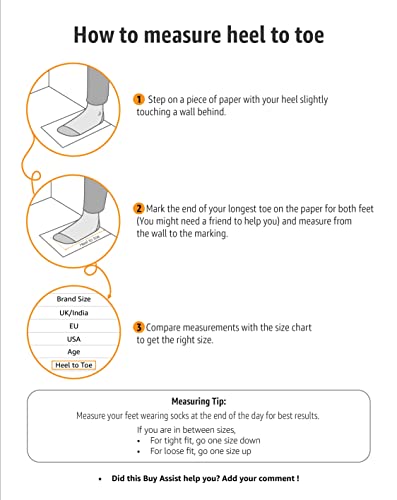
The most common mistake in purchasing children's footwear is buying a size that is too small to avoid 'losing' the shoe. However, a shoe that is too large can cause tripping and blisters due to constant friction. The 'rule of thumb' is to ensure there is approximately a thumb's width of space between the longest toe and the front of the shoe. Because feet can swell slightly throughout a day of walking, it is always best to measure the foot in the afternoon. When selecting a walking sneaker, ensure there is enough room for the toes to splay naturally, which is vital for maintaining balance while walking.
Weight and Flexibility
A heavy shoe can act like an anchor, causing a child to tire more quickly. Look for lightweight construction in the midsole, often achieved through EVA (ethylene-vinyl acetate) foam. While the shoe should be lightweight, it must not be flimsy. A good test for flexibility is to bend the shoe at the ball of the foot. It should flex easily where the foot naturally bends, but the midfoot and heel should remain firm to provide necessary stability. A shoe that is too stiff will impede a natural walking stride, while one that is too flexible will fail to protect the foot from uneven surfaces.