Understanding Thermal Monitoring Accuracy
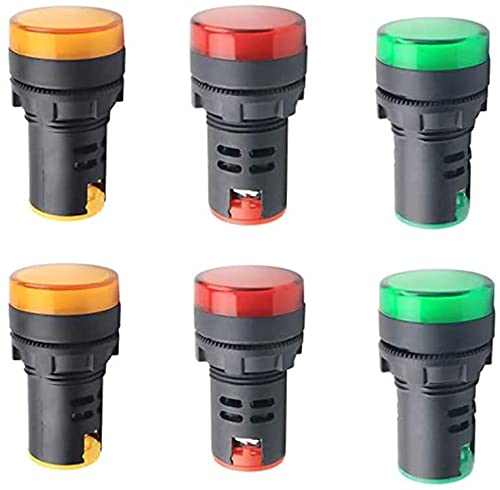
The primary function of a glow plug indicator is to provide real-time feedback on the state of the plug. When looking at indicator-equipped chargers, you must prioritize the sensitivity of the thermal sensor. A high-quality device should distinguish between a plug that is merely warm and one that has reached the specific 'incandescent' stage required for ignition. Look for indicators that offer clear visual cues—such as color-coded LED arrays (red for heating, green for ready) or digital temperature readouts. Avoid generic testers that only offer a binary 'on/off' signal, as these can lead to over-heating the plug, which shortens its lifespan and can damage the engine's internal components.
Charging Current and Heat Control
Since many indicators are housed within glow plug chargers, the ability to regulate current is a decisive factor. Glow plugs are sensitive to rapid temperature spikes. A superior charging unit will feature adjustable current settings or 'smart' charging logic that tapers the power as the plug approaches its target temperature. This prevents the filament from becoming brittle or snapping due to excessive thermal stress. If you are managing multiple vehicles, look for a charger that offers multi-channel monitoring, allowing you to track the temperature of several plugs simultaneously without cross-interference.
Portability vs. Benchtop Stability
Your choice should be dictated by your primary operating environment. If you are a field racer, a compact, battery-operated handheld indicator is essential. These devices prioritize ruggedness and ease of use in dusty or outdoor conditions. However, if you primarily tune your engines in a workshop, a benchtop charger with a more robust indicator display is preferable. Benchtop models often provide more granular data, such as precise voltage and amperage readings alongside temperature, which is invaluable for deep diagnostics of an engine's ignition health.
Compatibility and Connector Integrity
Not all glow plugs are created equal, and neither are the connections used to heat them. Ensure the indicator system is compatible with the specific thread types and plug geometries common in your vehicle class (such as 1/8 scale vs. 1/10 scale). Furthermore, pay close attention to the quality of the contact probes. High-grade copper or nickel-plated connectors ensure efficient heat transfer and prevent electrical arcing, which can cause false readings on your indicator. A reliable indicator is only as good as the physical connection it makes with the plug.