Understanding Traction Patterns and Stud Configuration
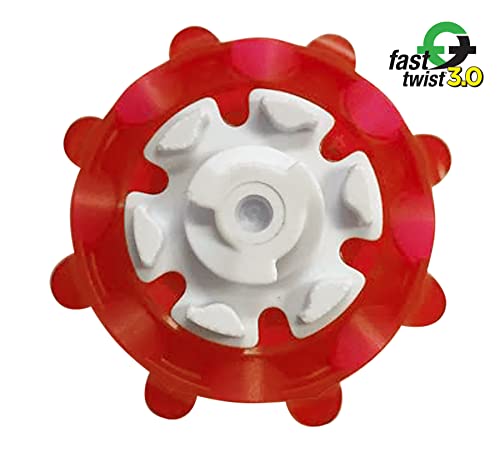
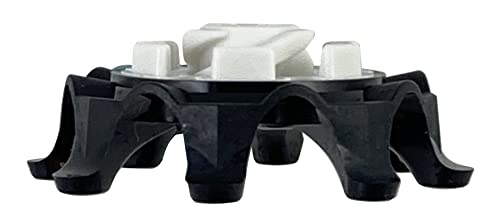
The most critical factor in selecting softspikes is the geometry of the traction pattern. Spikes are generally categorized by how they distribute pressure across the sole of the shoe. Some designs feature a high density of small, rounded nubs which provide excellent multidirectional grip—ideal for golfers with a smooth, rhythmic tempo. Other designs utilize larger, aggressive, angular cleats that bite deeply into the turf. These are better suited for high-speed players who generate significant rotational force and require lateral stability to prevent 'sliding' during the downswing. When choosing, consider your swing type: if you are a power hitter, look for deeper, more aggressive profiles. If you prioritize comfort and walking ease, a more distributed, lower-profile pattern is preferable.
Compatibility and Attachment Mechanisms
Before purchasing a replacement set, you must verify the attachment system. Not all spikes are universal. Most modern golf shoes use a proprietary twist-lock mechanism, but the diameter and the threading of the base vary significantly between different footwear brands. Some systems require a specialized tool to tighten or loosen the spike, while others are hand-turnable. You should also check if your shoes use a 'cleat plate' system, where the spikes snap into a pre-molded housing, or a direct-to-sole screw system. Attempting to force an incompatible spike into a shoe can strip the threading or damage the outsole, leading to expensive repairs.
Durability vs. Softness: The Material Balance
The term 'softspikes' refers to the use of thermoplastic polyurethane (TPU) or similar polymers rather than metal. The advantage of TPU is that it is lighter, more comfortable for walking, and less likely to damage greens. However, there is a trade-off in durability. Harder TPU blends offer longer wear life and better grip in wet, muddy conditions, but they can feel 'stiff' or jarring underfoot. Softer blends provide a more cushioned feel and better grip on dry, firm fairways but may wear down faster if you frequently play on abrasive, sandy courses. If you play in variable weather, look for spikes engineered with high-rebound materials that maintain their shape even when saturated with water.
Weather Resistance and Turf Protection
A premium spike should perform as well in a light drizzle as it does under a clear sky. Look for spike designs that feature 'self-cleaning' channels. These are grooves integrated into the spike body that allow mud and debris to be expelled as you walk, preventing the traction from becoming clogged. Clogged spikes are a primary cause of slipping on wet slopes. Additionally, consider the environmental impact. High-quality synthetic spikes are designed to minimize turf damage, ensuring you remain a respectful player on well-manicured courses while still maintaining the grip necessary for a competitive game.