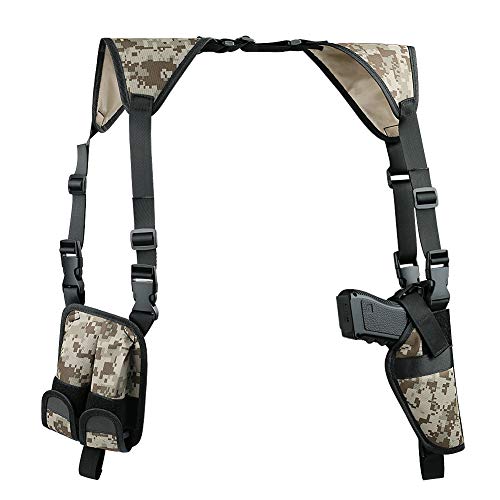
Defining Your Carry Method
Before looking at materials, you must first decide how you intend to carry. The 'how' dictates every other specification of the holster. Concealed Carry (CCW) holsters are designed to minimize the visual silhouette of the firearm. These often feature slim profiles and specialized mounting systems to keep the weapon close to the body. Open Carry holsters are typically more robust, designed for visibility and ease of access in environments where the firearm is expected to be seen. Finally, Competition or Range Holsters prioritize speed and accessibility above all else, often sacrificing concealment for a much faster draw stroke and more aggressive positioning.
Material Science: Kydex vs. Leather vs. Nylon
The material of your holster determines its durability, retention characteristics, and comfort level. Kydex and Thermoplastics are the industry standard for modern defensive carry. These are molded to the exact shape of the firearm, providing 'active retention'—meaning the holster clicks into place and requires a deliberate movement to release the trigger guard. They are incredibly durable, weather-resistant, and easy to clean. Leather is the traditional choice, prized for its aesthetic appeal and the way it 'breaks in' to conform to your body shape. Leather offers a softer contact point against the skin, making it excellent for long days of wear, though it requires more maintenance and can be affected by moisture. Nylon and Fabric holsters are lightweight and budget-friendly, often used for light duty or range work, but they generally offer less structural support and less consistent retention than molded alternatives.
Retention and Safety Mechanics
Retention is the force required to pull the firearm out of the holster. You are looking for a balance between 'passive retention' (the friction of the material holding the gun) and 'active retention' (a mechanical lock or click). For everyday defensive carry, you want enough retention so that the firearm does not fall out during physical activity, but not so much that it becomes difficult to draw under stress. Always ensure the holster design prevents the finger from entering the trigger guard area during the draw process, as this is a fundamental safety requirement.
Carry Position and Attachment Systems
Where the holster sits on your body changes how it feels and how well it is concealed. IWB (Inside the Waistband) is the most common for concealment, tucking the holster between your body and your pants. OWB (Outside the Waistband) is more common for duty use or open carry. When choosing, pay close attention to the attachment hardware. Look for reinforced belt loops or modular mounting systems (like paddle attachments or clips) that allow you to adjust the angle of the grip. An angled grip (cant) can significantly improve the ergonomics of the draw, making it feel more natural to your body's movement.
The Importance of Fit and Compatibility
A holster is only as good as its fit. Because different manufacturers vary slightly in their dimensions, a holster designed for one specific frame might not fit a different version of the same model (such as a compact vs. a full-size variant). Always verify that the holster is designed for your specific handgun's generation and size. A loose fit can lead to accidental discharges or the firearm falling out, while an overly tight fit can make the draw impossible in an emergency.