Understanding Carry Style and Position
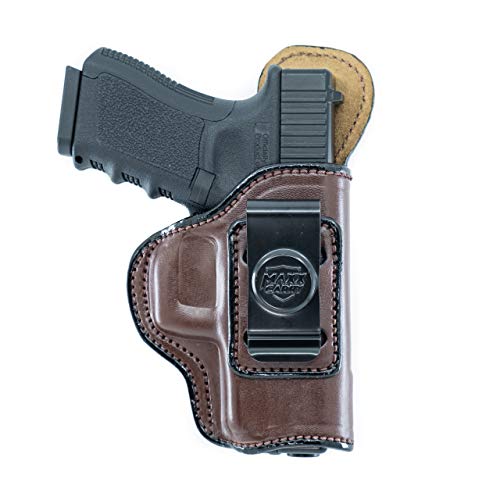
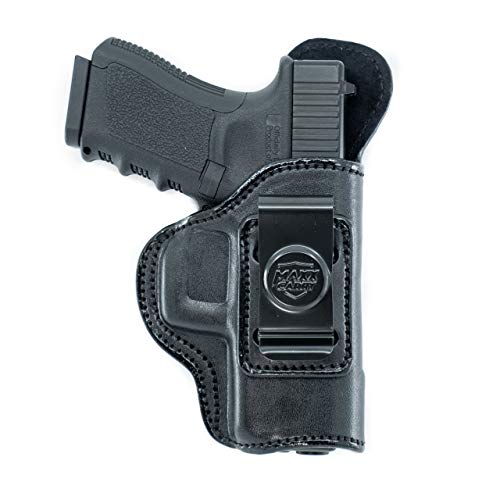
The first step in selecting a holster is determining how you intend to carry. Most users fall into one of two categories: Inside the Waistband (IWB) or Outside the Waistband (OWB). IWB holsters are designed for maximum concealment, tucking between your body and your belt to minimize the 'printing' of the firearm through your clothing. These are ideal for everyday civilian carry. OWB holsters, conversely, sit on the outside of your belt. While they are more visible, they often offer superior comfort for long durations and are frequently preferred for tactical or duty use where rapid deployment is prioritized over total concealment.
Beyond the basic style, consider your preferred carry position. Appendix carry (AIWB) is increasingly popular for its quick access and concealment potential, but it requires a holster with specific ergonomic curves to avoid discomfort. Hip carry (3 or 4 o'clock) is a classic choice that balances comfort and accessibility, while strong-side carry remains a standard for many traditionalists.
Material Composition and Durability
The material of your holster dictates its lifespan and its ability to protect your firearm. Kydex is the industry standard for many high-performance holsters because it is a thermoplastic that can be molded to the exact shape of your handgun. Kydex provides a 'click' when holstering, giving you tactile feedback that the weapon is fully seated. It is also incredibly durable, resistant to sweat, and holds its shape over years of use.
Leather remains a premium choice for those who prioritize comfort and a classic aesthetic. Leather holsters tend to 'break in' over time, conforming to your body shape and providing a softer contact point against the skin. However, leather requires more maintenance to prevent moisture damage. When choosing between these, consider your environment: if you are in a high-humidity area or a tactical setting, the rigidity and weather resistance of Kydex may be more advantageous.
Retention Mechanics and Safety
Retention is the measure of how securely the holster holds your firearm. You must find the 'sweet spot' between two extremes: too little retention can lead to accidental drops, while too much retention can cause a dangerous delay during a high-stress defensive situation. High-quality holsters often feature adjustable retention screws, allowing you to fine-tune the tension to your specific grip and draw speed.
Look for holsters that offer passive retention (the shape of the holster holds the gun) versus active retention (mechanisms like thumb breaks or lever locks). For concealed carry, passive retention is generally preferred to ensure a smooth, uninterrupted draw. For duty use, active retention may be necessary to prevent the firearm from being dislodged during physical activity.
Comfort and Everyday Carryability
A holster you hate wearing is a holster you won't carry. This is the most overlooked aspect of holster selection. If a holster is too bulky, it will be uncomfortable. If it lacks proper venting or moisture-wicking properties, it will cause irritation. When evaluating options, look for features like flared edges, sweat guards (to prevent skin contact with the metal of the gun), and slim-line profiles. A good holster should disappear into your waistband and feel like a natural extension of your body, rather than a piece of equipment you are constantly adjusting.