Prioritize Fiber Composition and Origin
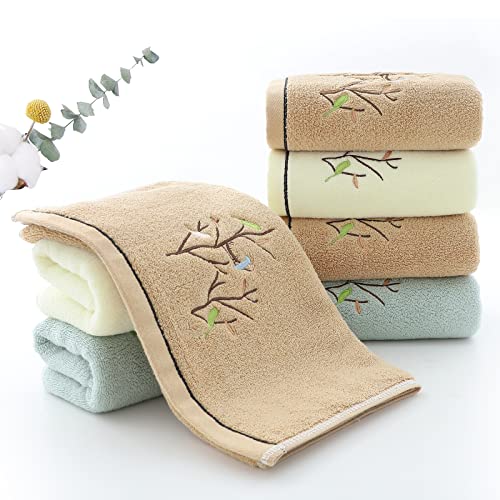
The foundation of any premium towel is the raw material. For Pidada-style hand and bath towels, look for long-staple cotton. Long-staple fibers are essential because they are less prone to fraying and shedding, which ensures the towel remains plush over time rather than becoming scratchy. While many towels use standard cotton, premium options often utilize combed cotton, a process that removes shorter, weaker fibers to create a smoother surface. If you prefer a more eco-conscious or highly absorbent option, check for organic certifications, as these ensure the cotton was grown without harsh chemicals that can diminish the natural softness of the loops.
Understanding GSM and Absorbency
GSM, or Grams per Square Meter, is the most critical metric for determining the weight and thickness of your towel. However, in the context of hand and bath towels, more is not always better. A high GSM (above 600) indicates a thick, heavy, and luxurious bath towel that feels substantial against the skin. These are excellent for post-shower use where maximum water retention is needed. Conversely, for hand towels, a mid-range GSM (400-500) is often preferable. Hand towels are used frequently throughout the day. If they are too thick, they take an eternity to dry, leading to a damp, musty smell in your bathroom. Look for a balance where the bath towel provides luxury and the hand towel provides efficiency.
Weave Patterns: Terry vs. Waffle
The way the yarn is looped or woven dictates the towel's personality. Traditional terry cloth features uncut loops that create a soft, voluminous pile. This is the gold standard for comfort and skin-softness. However, some Pidada collections may feature a waffle weave or a ribbed texture. Waffle weaves have a larger surface area relative to their weight, making them incredibly fast-drying and lightweight. These are ideal for humid bathrooms or for guests who prefer a more spa-like, minimalist aesthetic. If your priority is a cozy, enveloping feeling after a bath, stick to high-loop terry. If you prioritize hygiene and quick drying times, a textured weave is your best bet.
Durability and Colorfastness
A towel is only as good as its ability to withstand the washing machine. When selecting your set, consider the dye quality. High-quality towels use reactive dyes that bond deeply with the fibers, preventing the colors from bleeding or fading into a dull grey after a few washes. Furthermore, check the edge construction. Look for double-stitched hems or reinforced borders. This prevents the 'unraveling' effect that often plagues cheaper linens. A well-constructed towel should maintain its shape and structural integrity even after dozens of high-temperature wash cycles.
Recommendation Logic
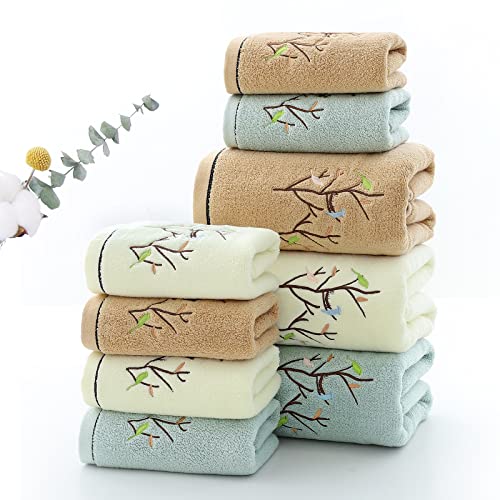
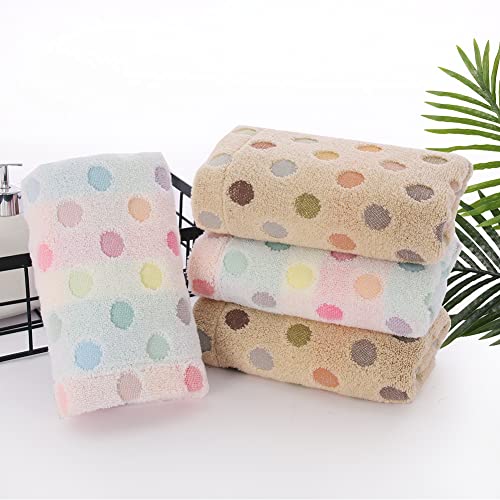
To make the final decision, match the towel type to the specific use case. For your primary bath, invest in a high-GSM, long-staple cotton terry towel to maximize comfort. For your powder room or kitchen hand towels, opt for a slightly lighter weight or a textured weave to ensure they dry quickly between uses. If you are buying a coordinated set, ensure the weight and texture are consistent across the collection to maintain a cohesive visual aesthetic in your space.