Material Composition and Durability
The first decision factor in selecting Vickerman ornaments is the base material. While many entry-level ornaments are made of thin, lightweight plastic, Vickerman often utilizes higher-density resins, glass, or specialized poly-materials that offer a substantial feel. If you are decorating a tree in a high-traffic area—such as a living room where pets or children are present—look for high-quality shatterproof resins. These provide the visual depth of glass without the risk of shards. Conversely, if you are creating a formal centerpiece where the ornaments will remain stationary, traditional glass options offer a refractive brilliance that synthetic materials struggle to replicate.
Finish and Light Refraction
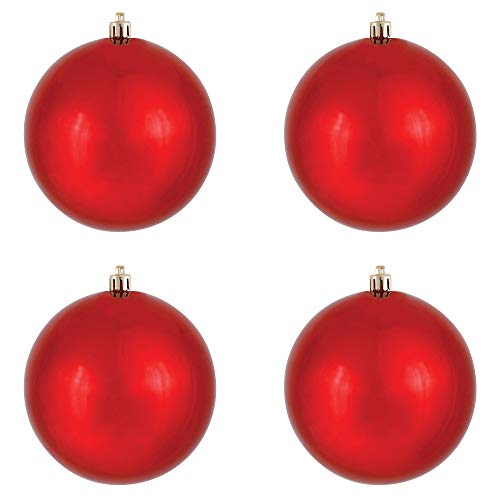
The magic of a well-decorated tree lies in how it interacts with light. Vickerman ornaments are categorized by their finishes: matte, glossy, metallic, and glittered. A common mistake is choosing only one finish, which can result in a flat, one-dimensional look. For a professional, layered appearance, we recommend a mix of textures. Use matte ornaments to ground the design and absorb light, glossy ornaments to provide depth, and metallic or glittered pieces to act as 'sparkle points' that catch the glow of your string lights. Pay close attention to the 'flocking' or frosted finishes often found in their winter collections. These add a tactile, snowy dimension that works beautifully in traditional themes.
Scale and Proportionality
One of the most overlooked aspects of ornament shopping is the importance of varying sizes. A tree decorated with uniform ornaments often looks sparse or commercially artificial. To achieve a lush, designer look, you must incorporate a hierarchy of sizes. Large, statement ornaments should be placed deeper within the branches to create visual weight and fill large gaps, while medium and small ornaments should be used to add detail and texture to the outer tips. When selecting your collection, ensure you have a balanced ratio of 'filler' ornaments to 'feature' ornaments.
Theme Cohesion and Color Theory
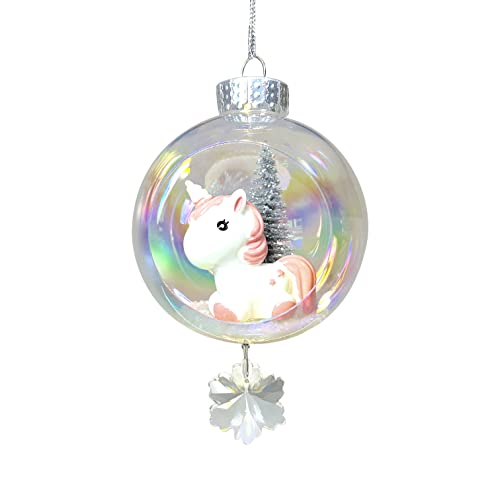
Vickerman excels at themed collections, ranging from vintage Victorian aesthetics to modern minimalist palettes. When choosing, decide whether you want a monochromatic scheme (different shades of a single color) or a complementary scheme (using colors from opposite sides of the color wheel, like deep navy and champagne gold). If you are aiming for a timeless look, stick to classic metallics and deep jewel tones. If you prefer a whimsical or seasonal approach, look for ornaments with specific motifs—such as botanical elements, frosted berries, or geometric patterns—that can serve as the anchor for your entire decor theme.