Material Composition and Corrosion Resistance
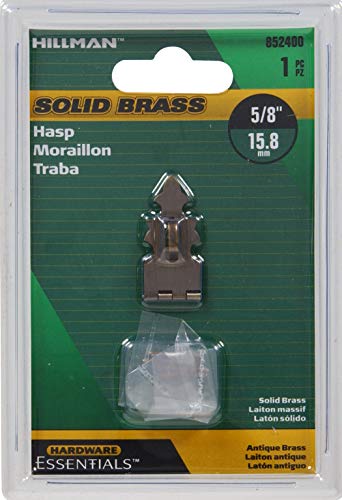
The first decision factor in selecting a high-performance hasp is the material. Because hasps are frequently installed on outdoor gates or in damp utility sheds, resistance to rust is paramount. Zinc-plated steel is a common budget-friendly option, offering decent protection for indoor use. However, for long-term outdoor durability, look for stainless steel or heavy-duty galvanized coatings. Stainless steel is the gold standard for coastal or high-moisture environments, as it resists oxidation and maintains its structural integrity without the need for constant maintenance. If you are securing equipment in an industrial setting, a hardened steel construction is preferable to prevent the hasp from being easily sheared or bent by heavy tools.
Hinge Strength and Load Bearing Capacity
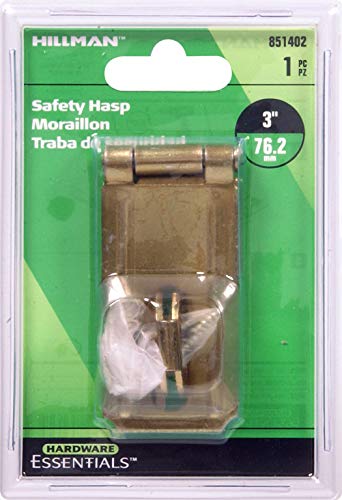
A common failure point in low-quality hasps is the hinge mechanism. A hasp might have a thick locking loop, but if the hinge pins are thin or the mounting holes are poorly aligned, the entire unit can be ripped from the surface with minimal force. When evaluating a hasp, examine the thickness of the metal plate and the robustness of the hinge pin. For heavy gates or large storage lockers, you should prioritize hasps that feature reinforced hinge points. Consider the 'swing' of the hasp as well. A smooth, heavy-duty hinge ensures that the hasp can be manipulated easily with one hand while you are managing a heavy padlock.
Locking Loop Geometry and Padlock Compatibility
Not all hasps are compatible with all padlocks. This is a critical technical detail that many buyers overlook. You must measure the diameter of your existing padlock's shackle and compare it to the opening of the hasp's locking loop (often called the staple). If the loop is too narrow, you will be unable to use high-security, thick-shackle padlocks. Conversely, if the loop is excessively large, it may allow for more movement, making it easier for a thief to use bolt cutters. Look for a 'closed' or 'shielded' loop design if you want to prevent bolt cutters from gaining a clean grip on the shackle. A well-designed hasp should cradle the padlock securely, minimizing the gap between the lock and the hasp itself.
Mounting Style and Installation Surface
The method of attachment depends entirely on what you are securing. If you are mounting a hasp to a wooden gate, look for models with pre-drilled holes designed for wood screws. If you are attaching the hasp to a metal container or a steel door, you will likely need a hasp that can accommodate carriage bolts or machine screws. For high-security applications, avoid hasps that rely solely on small, exposed screws, as these can be easily backed out. Instead, look for heavy-duty hasps that allow for through-bolting, which provides much higher resistance to forced entry and prying attempts.
Summary of Recommendation Logic
To make the right choice, follow this hierarchy: First, define your environment (Indoor/Dry = Zinc-plated. Outdoor/Wet = Stainless Steel). Second, identify your substrate (Wood = Screw-mount. Metal = Bolt-mount). Third, verify your lock (Measure shackle diameter vs. loop clearance). Finally, assess the threat level (Standard storage = Basic steel. High-security/Industrial = Hardened, shielded-loop steel).