Prioritize Heel Architecture and Stability
The most critical factor in selecting a heeled sandal is the type of heel offered. In this category, you will encounter various silhouettes, ranging from slender stilettos to more robust block heels. If you plan on standing for extended periods—such as during a wedding reception—a block heel or a flared heel is your best ally. These designs distribute your body weight across a wider surface area, reducing the pressure on the ball of your foot. Conversely, if the goal is maximum elegance for a short event, a stiletto offers a sleek, elongated look but requires significant ankle strength and practice to navigate. Pay close attention to the heel's placement. A heel that is centered directly under your natural center of gravity will feel much more stable than one that sits too far back.
Evaluate Strap Construction and Security
A common pitfall with heeled sandals is the 'slipping' effect, where the foot slides forward or the heel escapes the sole. To avoid this, look for sandals with thoughtful strap placement. Ankle straps provide much-needed security, but ensure they are adjustable—preferably with a buckle rather than a simple elasticated slit—to prevent circulation issues. For those who prefer a more minimalist look, look for designs with a deep vamp or a secure toe loop. The quality of the strap material is also paramount. Synthetic materials should be supple enough to mold to your foot shape rather than digging in, which can cause blisters during long-term wear.
Material Selection for Longevity and Comfort
The material of the sandal dictates both its visual texture and its breathability. Faux leathers and high-quality synthetics are popular in this category because they offer a polished, high-shine finish that is easy to clean. However, when selecting synthetic options, check the interior lining. A smooth, soft lining is essential to prevent friction against the skin. If you are opting for a metallic finish, ensure the coating is even and doesn't feel abrasive to the touch. For summer events, consider textures that allow for airflow to prevent discomfort in warmer climates.
Sizing and the 'Arch Fit' Test
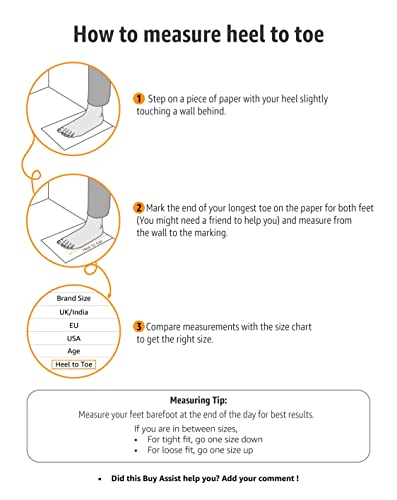
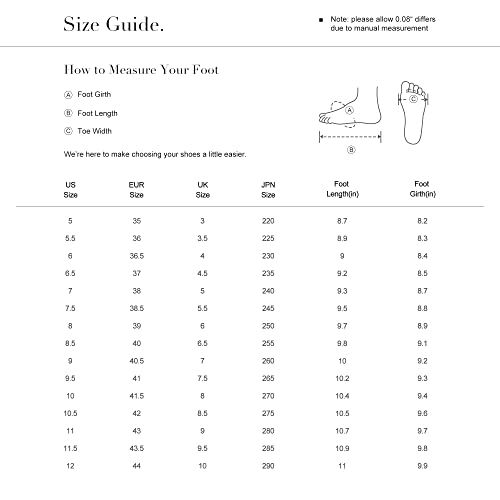
Sizing in heeled sandals can be deceptive. Because the incline of the heel shifts your weight forward, your toes may press more firmly against the front of the shoe than they would in a flat sandal. When deciding on a size, consider whether you have a wider forefoot. If you do, look for designs with slightly more volume in the toe box or open-toe styles that don't constrict the metatarsals. A key recommendation is to always consider the 'pitch' of the shoe—the angle at which your foot sits. A moderate pitch is generally more comfortable for long-term wear than an extreme incline.
Style Versatility and Occasion Matching
Finally, define your primary use case. Are you looking for a neutral, nude-toned sandal that elongates the leg and works with any dress, or a statement piece with embellishments like crystals or bold colors? A versatile investment is a sandal in a classic shade like champagne, black, or metallic gold. These can transition from a professional cocktail event to a formal evening affair with minimal effort. When choosing embellished styles, ensure the decorations are securely attached to avoid discomfort or snagging your clothing.