Prioritize Standardization and Active Compound Concentration
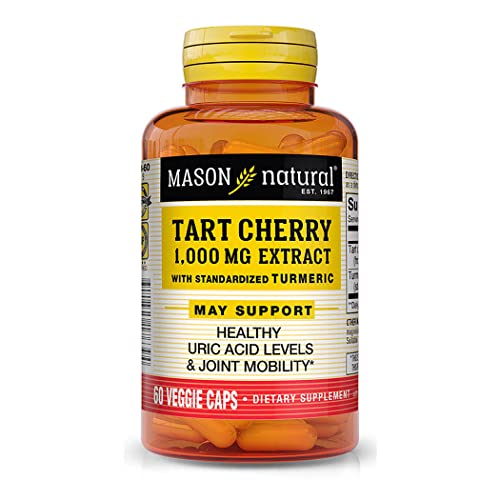
When shopping for herbal supplements, the most common mistake is assuming that 'natural' automatically means 'effective.' The efficacy of a plant-based supplement depends heavily on the concentration of its active constituents. For example, if you are purchasing an herb like Ashwagandha or Turmeric, look for labels that specify a standardized percentage of active compounds (such as withanolides or curcuminoids). Standardization ensures that every dose provides a consistent amount of the medicinal component, preventing the 'hit or miss' experience common with low-quality, unstandardized powders.
How a plant is processed significantly alters its bioavailability. There are three primary formats to consider: dried powders, tinctures, and decoctions. Dried powders are excellent for culinary integration but can be harder for the body to break down. Tinctures, which use an alcohol or glycerin base to extract soluble compounds, often offer faster absorption and higher potency. If a supplement claims to be 'full-spectrum,' it means the manufacturer has attempted to preserve the entire profile of the plant, including the trace minerals and secondary metabolites that work together to enhance the primary effect. Always check if the supplement is a concentrated extract or simply ground-up plant matter.
Verify Sourcing and Purity Standards
Because plants absorb everything from the soil they grow in, the origin of your herbs is paramount. High-quality herbal supplements should ideally come from organic, non-GMO sources to minimize the risk of heavy metal contamination or pesticide residue. Look for brands that provide third-party testing results or certificates of analysis. This is particularly important for herbs grown in soil that might be prone to lead or arsenic accumulation. A reputable brand will be transparent about their sourcing, often highlighting that their botanicals are wild-harvested or grown in controlled, organic environments.
Check for Fillers and Adulterants
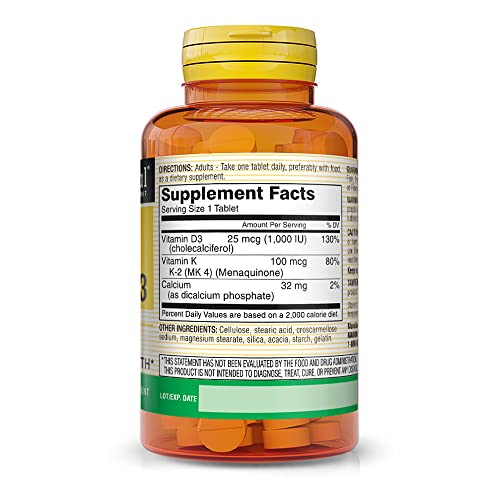
Many mass-produced herbal supplements use 'flow agents' or bulking agents like magnesium stearate, silicon dioxide, or maltodextrin to help the capsules move through manufacturing machinery. While these are generally safe, they add no nutritional value and can sometimes cause digestive sensitivity in those with highly reactive systems. A premium herbal supplement should have a clean ingredient list, prioritizing the herb itself and perhaps a natural carrier like organic rice flour or coconut oil. If you see long lists of synthetic binders, it is a sign that the product is optimized for manufacturing efficiency rather than consumer wellness.
Your decision should ultimately be guided by how you intend to use the product. If you have a busy lifestyle, capsules or standardized softgels offer convenience and precise dosing. If you prefer a ritualistic approach to wellness, loose-leaf herbal blends or liquid tinctures allow for more control over the experience. Tinctures are particularly useful for those who need rapid onset, as they can be taken sublingually (under the tongue) for direct absorption into the bloodstream, bypassing much of the digestive process.