Understanding Extraction Methods and Potency
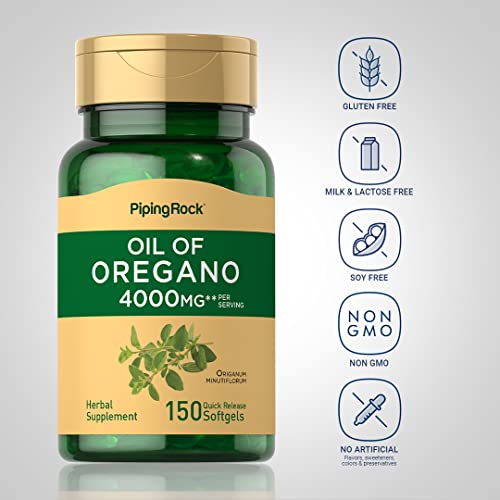
Not all herbal supplements are created equal. When browsing herbal selections, the first thing you should investigate is how the plant material was processed. Many high-quality herbal supplements use standardized extracts. Standardization means that the manufacturer ensures a specific amount of the 'active ingredient' is present in every dose. For example, if you are looking for Turmeric, you shouldn't just look for turmeric powder. You should look for a supplement standardized to a specific percentage of curcuminoids. This ensures consistency across every bottle you purchase. Pay close attention to whether a supplement is a raw powdered herb or a concentrated extract, as the latter is significantly more potent and often requires a smaller serving size to achieve the desired effect.
Identifying Your Specific Wellness Goal
The sheer volume of products in the herbal category can lead to decision paralysis. To avoid this, categorize your needs before you start shopping. Are you seeking 'Adaptogens' to help your body manage stress (such as Ashwagandha or Rhodiola)? Are you looking for 'Nootropics' to support mental clarity (such as Bacopa Monnieri)? Or are you focusing on 'Digestive Aids' (such as Ginger or Peppermint)? By narrowing your search to a functional category, you can compare similar ingredients against one another. For instance, if you want better sleep, you might compare Valerian Root against Chamomile, looking at the concentration levels and the specific way each herb is formulated.
Evaluating Ingredient Purity and Additives
A critical factor in herbal supplementation is what else is in the capsule besides the herb. While some fillers are necessary to stabilize a product, you should aim for supplements that prioritize purity. Look for 'clean labels' that avoid unnecessary artificial colors, synthetic binders, or excessive magnesium stearate if you have sensitivities. Furthermore, check if the herbal blend is non-GMO and if the manufacturer employs third-party testing protocols. Even with reputable brands, seeing evidence of rigorous quality control ensures that the product is free from heavy metals and contaminants, which is a vital consideration when consuming concentrated plant matter long-term.
Considering Synergistic Blends vs. Single Ingredients
One of the most important decision points is deciding between a single-herb supplement and a complex blend. Single-ingredient supplements are excellent when you know exactly what your deficiency or goal is and want to control the precise dosage. However, many herbal remedies work through 'synergy'—where multiple plants work together to enhance absorption or efficacy. For example, a blend designed for joint health might combine Turmeric with Ginger and Boswellia to provide a more comprehensive anti-inflammatory effect. If you are new to a specific herb, a well-formulated blend can be a gentler and more effective way to introduce that botanical into your routine. If you are an experienced user, single extracts allow for more granular control over your supplement stack.