Prioritize Load Capacity and Structural Integrity
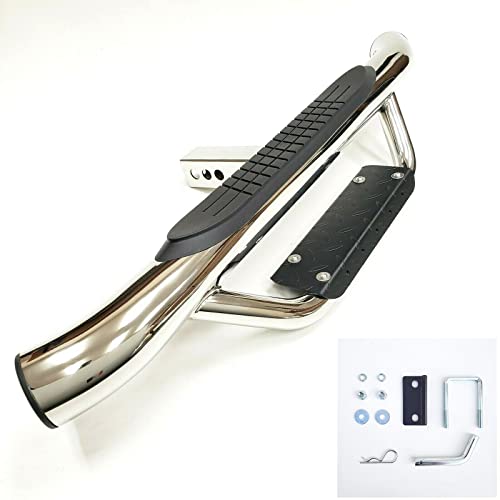
The most critical factor when selecting a hitch step is its weight rating. Because you will be standing on this platform, you need to look beyond the static weight of the step itself and focus on the dynamic load capacity. A reliable step should comfortably support both the user's weight and the weight of the gear they are carrying. Look for heavy-duty steel construction with thick-walled tubing. Avoid lightweight aluminum models if you plan on heavy-duty use, as steel offers superior rigidity and prevents the 'flex' that can make a climb feel treacherous. Check the welding quality around the mounting points. Seamless, reinforced welds are a hallmark of a step built to withstand repeated vertical pressure.
Receiver Compatibility and Fitment
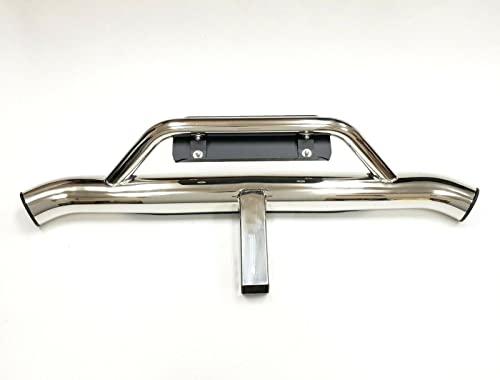
Before purchasing, you must verify your vehicle's hitch receiver size. Most consumer vehicles utilize a 2-inch receiver, but some smaller crossovers or older models may use a 1.25-inch setup. A step designed for a 2-inch receiver will not fit a 1.25-inch mount without an adapter, which can introduce unwanted wobble. Furthermore, consider the 'drop' or offset of the step. Some steps sit flush against the bumper, while others provide a significant protrusion to allow more foot room. If you have a vehicle with a low-hanging bumper or specialized towing equipment, ensure the step design provides enough clearance to avoid interference with your vehicle's bodywork.
Surface Traction and Safety Features
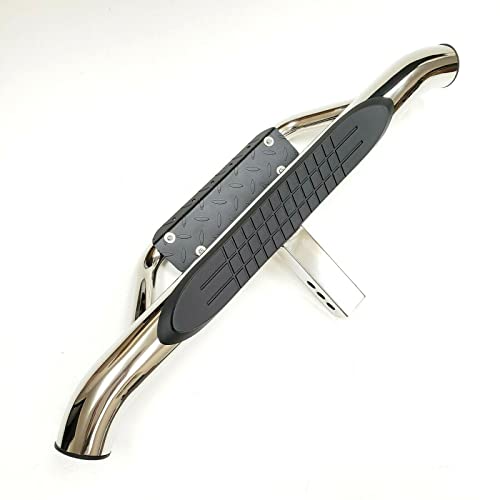
A hitch step is only as good as its grip. Since these steps are frequently exposed to rain, mud, and snow, the stepping surface must be highly textured. Look for designs that incorporate raised steel grating, knurled patterns, or heavy-duty rubberized coatings. These features allow debris and water to fall through the gaps, maintaining traction even in inclement weather. Additionally, consider the presence of non-slip edges. A step with a wide, flat platform is generally safer than one with narrow rungs, as it allows for more natural foot placement and reduces the risk of an ankle roll.
Corrosion Resistance and Finish Quality
Because hitch steps are located at the rear of the vehicle, they are constantly bombarded by road salt, moisture, and debris kicked up by the tires. A cheap paint job will chip within a single season, leading to rust that can compromise the structural integrity of the step. Opt for steps finished with a high-quality powder coating. Powder coating is significantly more durable than standard liquid paint. It creates a hard, resilient shell that resists chipping, scratching, and chemical corrosion. If you live in a coastal area or a region with heavy winters, this investment in a premium finish is non-negotiable.
Ease of Installation and Security
While most hitch steps are designed for simple bolt-on installation, some models offer superior security features. Look for steps that include locking pins or specialized hardware to prevent theft, especially if you park your vehicle in public spaces. A well-designed step should be easy to slide into the receiver and secure tightly without excessive rattling. If the step moves or 'jiggles' when you apply pressure, it can become a safety hazard. A snug, rattle-free fit is the ultimate indicator of a well-engineered product.