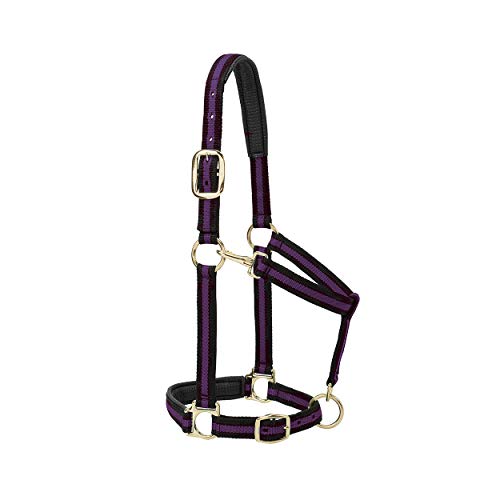
Material Quality and Leather Grade
Not all leather is created equal. When selecting a high-quality halter, you should look for heavy-duty, vegetable-tanned leather. Vegetable tanning is a traditional process that produces a firmer, more durable leather that develops a beautiful patina over time. This type of leather is less likely to stretch out of shape compared to chrome-tanned varieties. Pay close attention to the thickness of the noseband and the cheekpieces. A thicker leather provides better structural integrity for larger, more powerful horses, while a slightly more supple leather is preferable for delicate ponies or young horses that may be sensitive to pressure. Ensure the edges are well-burnished to prevent fraying and to protect your horse from skin irritation.
Hardware and Reinforcement
The hardware is often the first point of failure in a halter. Look for solid brass or stainless steel hardware rather than plated metals. Plated hardware may look shiny initially, but it will quickly chip and rust, leading to potential breakage and safety hazards. Solid brass is particularly favored in the equestrian world because it is incredibly strong and resists corrosion from sweat and moisture. Additionally, examine the stitching. High-quality halters utilize heavy-duty nylon thread with reinforced stitch patterns at high-stress points, such as where the cheekpieces meet the noseband and the throatlatch. If the stitching looks thin or uneven, the halter will likely fail under the tension of a spooking horse.
Fit and Functionality
A poorly fitting halter can cause rubbing, sores, and behavioral issues. A proper fit means the noseband should sit comfortably without being too tight against the bridge of the nose, and the throatlatch should be loose enough to allow for easy removal but secure enough to prevent the halter from sliding over the ears. Consider the style of the halter based on your primary activity. For daily turnout, a standard heavy-duty leather halter is ideal. However, if you require a halter for groundwork or lunging, you might look for models with reinforced rings or additional attachment points for lead ropes. For showing, a refined, thinner leather halter provides a more elegant aesthetic that complements the horse's head profile.
Maintenance and Longevity
One of the primary reasons to choose leather over nylon is the longevity, but this comes with the responsibility of care. Leather is an organic material that can dry out, crack, and stiffen if neglected. When shopping, consider whether you are prepared to regularly apply leather conditioner and cleaner. A well-maintained leather halter can last for years, becoming softer and more comfortable with every application of oil. If you prefer a 'set it and forget it' approach, you might lean toward synthetic, but for the rider who values the classic feel and the ability to customize the break-in period, high-grade leather remains the gold standard.