Identify Your Primary Use Case
The first step in your selection process is determining what you are actually protecting against. If you are a pet owner, your priority should be hair resistance and ease of cleaning. In this scenario, heavy-duty fabrics that prevent claws from snagging are essential. Conversely, if you are a parent frequently dealing with food spills and liquid messes, you should look for waterproof or water-resistant membranes integrated into the fabric. For those looking to maintain a resale value on a luxury vehicle, the goal is aesthetic seamlessness—covers that look like original upholstery rather than aftermarket additions. Understanding whether your threat is biological (pets/kids), environmental (sun/dust), or accidental (spills/scratches) will dictate every subsequent decision.
Material Composition and Durability
Not all fabrics are created equal, and the material is the most significant factor in the longevity of your investment. Coverking typically utilizes specialized textiles such as Cordura, Neoprene, or custom-woven polyester. Cordura is the gold standard for high-traffic vehicles or off-road use due to its incredible abrasion resistance. Neoprene offers a soft, cushioned feel that is excellent for comfort and water resistance, making it a favorite for marine-adjacent vehicles or coastal driving. If you prefer a premium look, look for materials that mimic leather or high-end suede, but ensure they have been treated to resist staining. Always consider the 'breathability' of the material. Some heavy-duty covers can trap heat, which might affect driver comfort during summer months.
Fitment: Custom vs. Universal
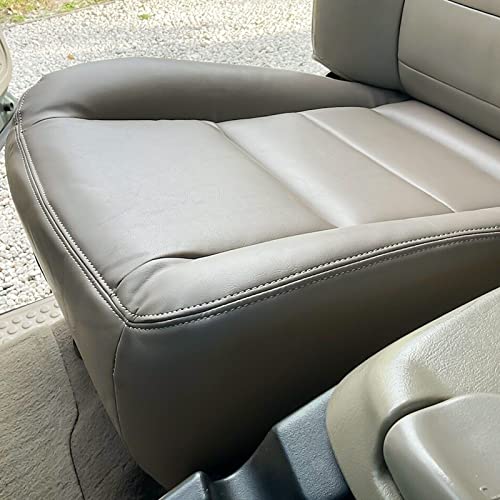
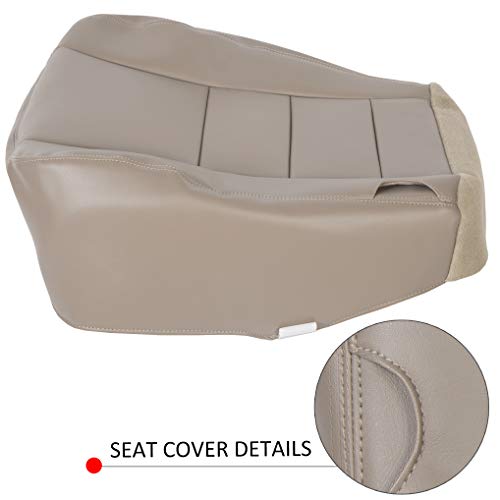
One of the most common mistakes in buying interior covers is settling for a 'one-size-fits-all' approach. While universal covers are cheaper, they often result in bunching, sliding, and unsightly wrinkles that can actually cause discomfort or interfere with seat adjustment controls. For a professional look and maximum protection, prioritize custom-fit options. Custom covers are engineered to the specific contours of your vehicle's seats, ensuring that headrests, armrests, and side bolsters are perfectly encased. This precision also ensures that safety features, such as side-impact airbags integrated into seat sides, are not obstructed by the fabric. If your vehicle has complex seat configurations, such as heated or ventilated seats, verify that the cover design allows for proper airflow or integrates with the existing hardware.
Installation and Maintenance Requirements
Consider how much effort you want to put into upkeep. Some covers are designed to be 'slip-on' for quick changes, while others may require more deliberate installation to ensure a taut, wrinkle-free finish. Furthermore, think about how you will clean them. A cover that is machine washable is a massive advantage for families, whereas a cover that requires specialized wipe-down cleaners is better suited for a showroom-style vehicle. Look for features like reinforced stitching and heavy-duty zippers, as these are the areas most likely to fail under frequent use or heavy cleaning cycles.
Final Recommendation Logic
To make your final choice, use this logic: If you prioritize toughness, go with Cordura-based custom covers. If you prioritize comfort and moisture protection, opt for Neoprene. If you prioritize the 'factory look,' select a high-end synthetic fabric tailored specifically to your trim level. By matching the material strength to your daily activity, you ensure your interior remains as clean as the day it left the dealership.