Prioritize Fabric Softness and Skin Sensitivity
Children have much more sensitive skin than adults, making the material choice the most critical decision in your purchase. When browsing for kids' blankets, look for materials that are hypoallergenic and exceptionally soft to the touch. Microfiber and high-grade fleece are popular choices because they provide a plush, velvety texture that many children find soothing. However, if your child has specific dermatological sensitivities, you may want to look for organic cotton options which offer breathability and reduce the risk of irritation from synthetic dyes or fibers. Avoid blankets with overly coarse weaves or stiff textures that might cause discomfort during tossing and turning.
Weight and Thermal Regulation
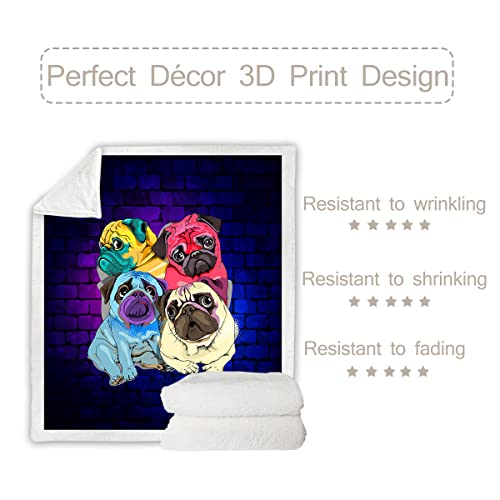
The 'heaviness' of a blanket is a subjective but vital factor. Some children find comfort in a slightly weighted sensation, which can provide a calming effect similar to a hug. However, you must balance this with thermal regulation. A blanket that is too heavy or lacks breathability can lead to overheating, which disrupts sleep cycles and can cause perspiration. Look for blankets that offer 'all-season' versatility—materials that trap heat effectively in the winter but remain breathable enough to prevent sweating during warmer months. If you are choosing a thicker, sherpa-lined blanket, ensure it is appropriate for the specific climate of your child's bedroom.
Durability and Easy Maintenance
Let’s be realistic: kids are messy. Whether it is spilled juice, snack crumbs, or accidental nighttime accidents, a child's blanket will face frequent laundering. This makes durability a non-negotiable factor. When evaluating a blanket, consider how the fabric will hold up after twenty or thirty cycles in a washing machine. Look for reinforced stitching around the edges to prevent fraying and choose fabrics that are resistant to pilling. A blanket that looks beautiful on day one but becomes scratchy and lumpy after two washes is a poor investment. Always check if the material is machine-washable and dryer-safe to ensure your life remains easy.
Safety and Design Considerations
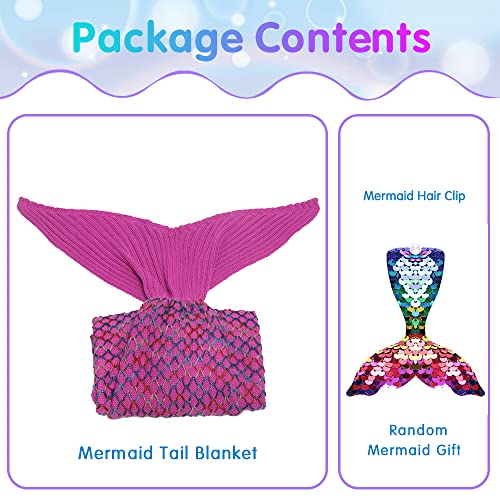
Safety should always be the primary lens through which you view children's bedding. Ensure that the blanket does not have loose long threads or small, detachable embellishments like sequins or plastic buttons that could pose a choking hazard. For younger children, simplicity in design is often safer and more practical. Beyond safety, consider the visual aspect. Since children often develop strong preferences, involving them in the color or pattern selection can foster a sense of ownership and excitement about bedtime. Patterns that are too busy might be visually overstimulating for some, while soft, muted tones might promote a more tranquil sleep environment.
Summary of Recommendation Logic
To make the best choice, follow this hierarchy: First, select a material based on your child's skin sensitivity. Second, match the weight of the blanket to your local climate and your child's sensory preferences. Third, verify that the construction is robust enough for frequent, heavy-duty washing. By following these steps, you will move beyond mere aesthetics and select a functional, comforting piece of bedding that will last through many seasons of growth.