Prioritize Safety Certifications Above All Else
Before looking at colors or patterns, you must verify that a helmet meets rigorous safety standards. Look for certifications such as CPSC (Consumer Product Safety Commission) in the United States or similar international standards like EN1078 in Europe. These certifications ensure the helmet has undergone impact testing and structural integrity checks. A helmet that looks stylish but lacks these official stamps is not a safety device. It is a toy. Never compromise on this factor, as the primary function of the helmet is to mitigate traumatic brain injury during a fall.
The Importance of Fit and Adjustability
A helmet only works if it stays in the correct position during an impact. For kids, whose head shapes and sizes change rapidly, adjustability is paramount. Look for helmets equipped with a micro-adjust dial at the rear. This allows you to tighten or loosen the fit precisely around the occipital bone (the base of the skull) without needing to buy a new size every few months. Additionally, ensure the helmet has a secure, easy-to-use chin strap with a breakaway feature or a padded chin cup to prevent skin irritation and ensure the strap doesn't tighten too aggressively during a crash.
Weight and Ventilation Balance
Children have different neck strength profiles than adults, meaning a heavy, oversized helmet can cause fatigue and discomfort during long rides. Aim for lightweight EPS (Expanded Polystyrene) foam construction. However, there is a trade-off: more ventilation means more holes, which can sometimes compromise the structural integrity if not designed correctly. Seek out helmets with deep aerodynamic channels that allow air to flow over the scalp while maintaining a sturdy outer shell. Good airflow prevents overheating, which is a major reason children complain about wearing helmets in the summer.
Visual Appeal and 'Wearability'
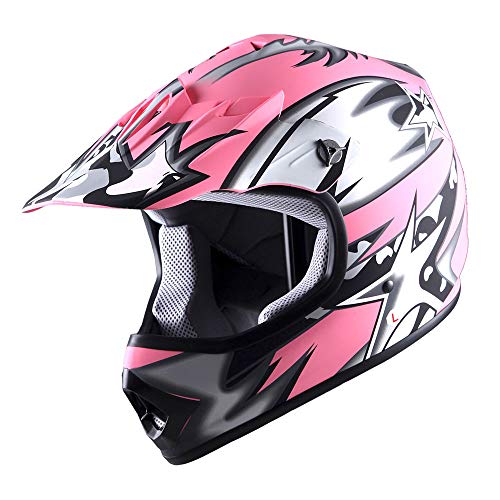
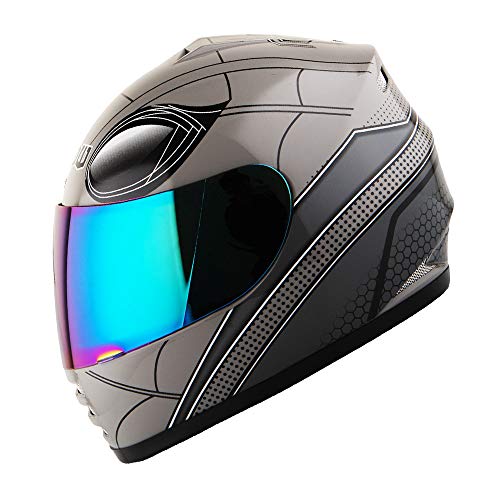
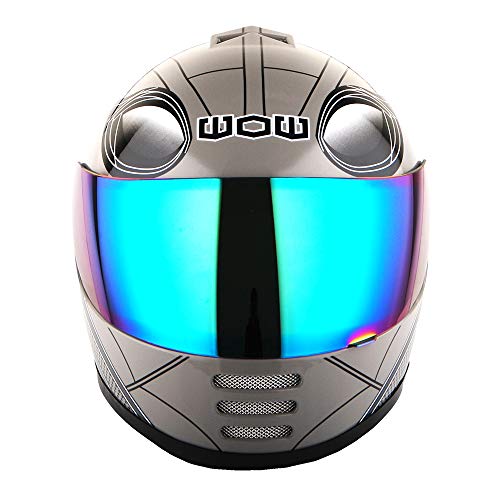
In the world of kids' gear, psychology plays a massive role. If a helmet looks 'uncool' or feels like a heavy bucket, a child will resist wearing it. Many top-tier kids' helmets now feature vibrant colors, matte finishes, or integrated patterns that appeal to various age groups. Some designs even incorporate subtle shapes that mimic more 'adult' professional cycling helmets to make the child feel more grown-up. When shopping, consider the child's personality. A bright neon helmet might be a hit for a high-energy rider, while a sleek, minimalist design might suit a child who prefers a more understated look.
The 'Two-Finger' Rule for Inspection
Once you have selected a helmet, perform a physical inspection. The helmet should sit level on the head, not tilted back to reveal the forehead or tilted forward to block vision. A good rule of thumb is that the helmet should sit about two finger-widths above the eyebrows. If the helmet wobbles when the child shakes their head, the fit is incorrect. Always check the interior padding as well. It should be moisture-wicking and removable for easy washing, as sweat and dirt can quickly make a helmet unpleasant to wear.