Prioritizing Safety Certifications
The most critical step in your purchase journey is verifying safety compliance. Do not rely solely on marketing buzzwords like 'ultra-safe' or 'impact-ready.' Instead, look for specific, recognized safety standards printed on the interior foam or the packaging. For children's helmets, you want to see certifications that meet or exceed national safety requirements for bicycle and multi-sport use. These standards ensure the helmet has undergone rigorous drop tests, impact absorption testing, and strap strength evaluations. A helmet that lacks these formal certifications is not a piece of safety equipment. It is a toy, and toys should never be used for head protection.
The Importance of a Precision Fit
A helmet only works if it stays in the correct position during an impact. The 'Goldilocks zone' for a helmet is one that sits level on the head, about two finger-widths above the eyebrows. If it sits too far back, the forehead is exposed. If it sits too low, it obstructs vision. When testing a helmet, use the 'shake test': with the chin strap securely fastened, have your child shake their head side-to-side and up-and-down. The helmet should move with the head, not independently of it. Look for adjustable dial systems at the rear of the helmet, often called a micro-adjustment system, which allows you to tighten the fit around the occipital bone (the base of the skull) for a snug, customized feel.
Weight and Ventilation Dynamics
Kids have different neck strength profiles than adults, meaning a heavy helmet can cause fatigue or even discomfort that leads to poor riding posture. Seek out helmets constructed with high-density expanded polystyrene (EPS) foam, which provides excellent impact protection while remaining lightweight. Furthermore, consider the climate where your child will be riding. A helmet with large, strategically placed ventilation ports is essential for preventing overheating during summer rides. However, ensure that the ventilation design does not compromise the structural integrity of the helmet shell. The goal is a balance of airflow and coverage.
Retention Systems and Comfort Features
The chin strap is the unsung hero of helmet safety. Look for straps that are soft against the skin to prevent chafing, especially for children with sensitive skin. A high-quality retention system will include a comfortable chin pad and a buckle that is easy for a child to manage but difficult to accidentally undo. Additionally, check the interior padding. Removable, washable padding is a massive advantage, as kids' helmets tend to accumulate sweat and dirt quickly. High-quality moisture-wicking liners will keep the head cool and the helmet smelling fresh for much longer.
Decision Logic: How to Choose
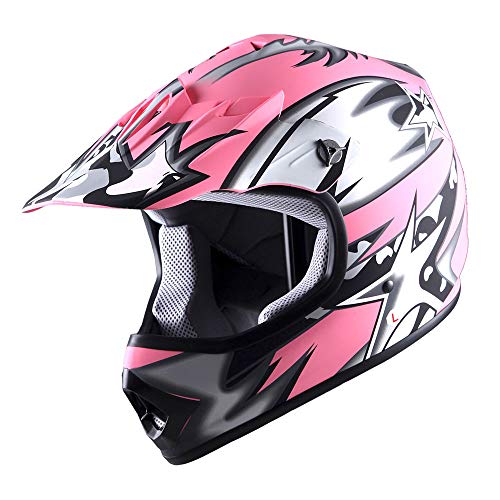
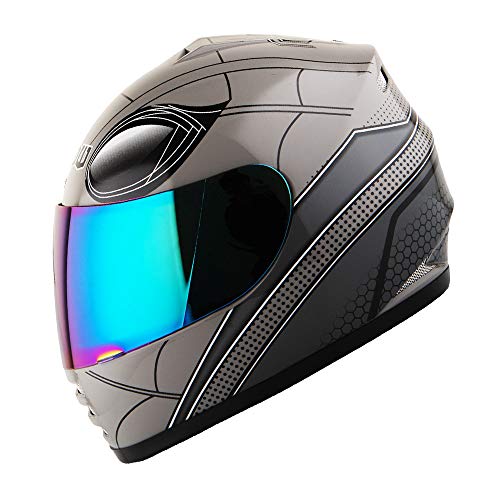
To make the final decision, follow this hierarchy: First, confirm the safety certification. Second, ensure the size matches your child's head circumference measurements (do not guess based on age). Third, prioritize a model with an adjustable fit system. Finally, choose a design that reflects your child's personality. If they love the look of the helmet, they are significantly more likely to become consistent users of the gear, which is the ultimate goal of any safety purchase.