Understanding Integrated Freezing Technology
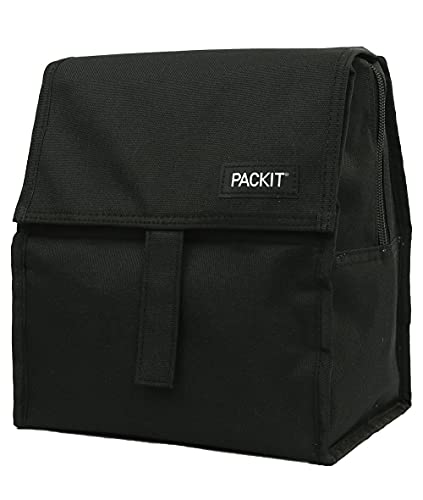
The defining characteristic of a Packit lunch bag is the built-in, non-removable ice pack. Unlike standard lunch boxes that require you to freeze a separate gel pack and slide it inside, Packit integrates the cooling agent directly into the walls of the bag. When shopping, you need to consider how this affects the bag's structure. Because the cooling elements are sewn in, these bags are generally more rigid than a soft cloth tote. This is a benefit for protecting sandwiches from being crushed, but it means the bag won't 'squish' down into a tight corner of a backpack. Look for bags where the insulation is evenly distributed. If the cooling walls feel lumpy, the temperature regulation may be inconsistent.
Capacity and Configuration for Growing Kids
One of the biggest mistakes parents make is choosing a bag based solely on the character print without considering volume. Kids' nutritional needs change as they grow, and a bag that fits a single sandwich and a juice box in kindergarten will be woefully inadequate by fourth grade. Evaluate the 'depth' of the bag rather than just the width. A deeper bag allows for vertical stacking, which is essential if your child carries a thermos or a bulky fruit container. If your child participates in after-school sports, look for models with a slightly larger footprint to accommodate extra snacks or a larger water bottle. Always check if the bag is designed for a single compartment or if it offers modularity for separating hot and cold items.
Durability and Ease of Maintenance
School environments are notoriously tough on gear. A lunch bag will inevitably face spilled yogurt, crushed crumbs, and accidental drops. Since you cannot remove the cooling gel to wash the bag, the exterior fabric is your primary line of defense. Look for high-density, wipeable polyester or similar synthetic fabrics that resist stains. A 'wipe-clean' surface is much more practical for daily use than a fabric that requires a full machine cycle, which can actually damage the internal cooling elements over time. Additionally, inspect the zippers. A heavy-duty, smooth-gliding zipper is non-negotiable. If a child struggles to open their lunch, they are more likely to leave food uneaten.
Portability and Ergonomics
How will your child be transporting this bag? Some Packit designs are intended to be placed inside a larger backpack, while others feature top handles for independent carrying. For younger children, a bag with a sturdy, easy-to-grip handle is vital to prevent drops. For older students who may be walking between classrooms or carrying their lunch separately, look for designs that are lightweight. Even though the cooling technology adds a bit of weight compared to a standard cloth bag, you want to ensure the weight distribution is centered so the bag doesn't tip over when set down on a desk or cafeteria table.
Recommendation Logic: Making the Final Choice
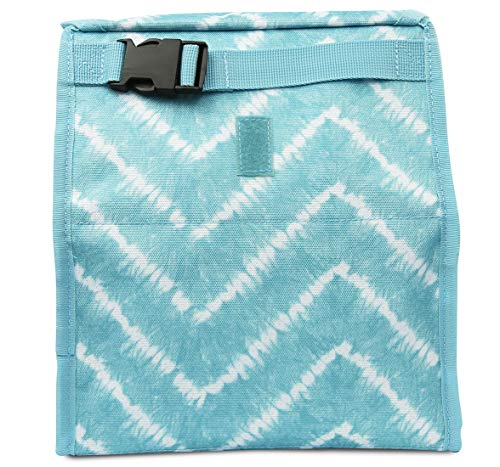
When making your final decision, follow this hierarchy of needs: First, prioritize the cooling capacity—ensure the bag's size matches the volume of food your child actually consumes. Second, prioritize ease of cleaning—a bag that is hard to sanitize is a liability in a school setting. Third, choose the aesthetic that matches your child's personality to encourage them to take ownership of their mealtime. If you are buying for a toddler, focus on smaller, more compact designs with easy-open zippers. If you are buying for a pre-teen, look for larger capacities and more sophisticated patterns that transition well from elementary to middle school.