Prioritizing Material and Texture for Playtime
When shopping for children's rugs, the tactile experience is paramount. Since children spend a significant portion of their time sitting, crawling, or lying on the floor, the fiber choice dictates the level of comfort. Look for rugs that offer a soft hand-feel without being overly plush to the point of being difficult to vacuum. Synthetic fibers like polypropylene are a staple in this category because they are engineered for resilience. They resist staining and can withstand the heavy foot traffic of active toddlers. If you are looking for a more premium, natural feel, high-quality wool blends offer excellent temperature regulation and natural stain resistance, though they may require more specialized care. Avoid overly shaggy textures if you have concerns about small toy pieces (like LEGO bricks) getting lost in the pile.
Durability and Stain Resistance
The reality of a child's room is that spills, crumbs, and occasional accidents are inevitable. A high-quality rug in this category should feature tight weaves and colorfast dyes that won't fade under sunlight or bleed during cleaning. When evaluating a rug, consider the pile density. A denser pile is generally more resistant to crushing and holds its shape longer under the weight of heavy toy chests or play structures. Furthermore, check if the rug is designed with easy-clean properties. While no rug is truly 'indestructible,' those with low-absorbency fibers allow you to blot spills quickly before they set into the backing.
Safety and Non-Slip Features
Safety is a non-negotiable factor when decorating for young children. First, consider the rug's backing. A rug with a sturdy, integrated non-slip backing is ideal for preventing sliding on hardwood or laminate floors, which can cause trips and falls. If you select a rug without a built-in grip, ensure you budget for a high-quality rug pad to provide both stability and extra cushioning. Additionally, be mindful of the rug's edge construction. Serged or bound edges are preferable to prevent fraying, which can create tripping hazards over time. From an environmental standpoint, look for products that adhere to strict safety standards regarding VOC emissions to ensure the air quality in the nursery remains clean.
Design Integration and Room Scale
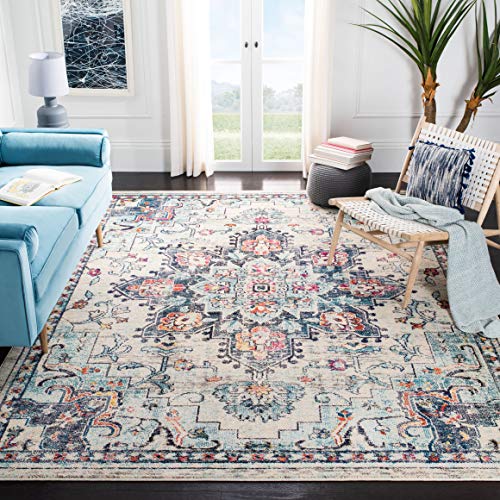
Momeni's collections often feature a range of styles, from subtle geometric patterns to more illustrative, character-driven designs. The key to a successful room layout is choosing a rug that anchors the space without overwhelming it. For a large playroom, a substantial area rug that extends well beyond the edges of a play table provides a defined 'zone' for activity. In a smaller nursery, a medium-sized rug can add warmth and texture without making the room feel cramped. Consider the color palette: while bright primary colors stimulate engagement, softer pastels or muted earth tones can create a calming environment conducive to naptime and sleep hygiene.
Summary Recommendation Logic
To make the best choice, follow this decision hierarchy: First, define the primary use (Is it for high-energy play or a quiet reading nook?). Second, select a material based on your cleaning capacity (Synthetic for ease, wool for luxury). Third, verify safety features like slip resistance. Finally, choose a pattern that complements the existing furniture while providing enough visual interest to spark a child's imagination.