Material Durability and Finish
Not all wall stickers are created equal. The first thing to consider is the material composition. For kids' rooms, you want a high-quality vinyl that is thick enough to resist tearing but flexible enough to conform to slight wall textures. A matte finish is generally superior to a glossy one for wall decor. Matte surfaces absorb light rather than reflecting it, which prevents harsh glares from nightlights or sunlight and makes the artwork look more like a custom mural and less like a plastic sticker. Additionally, look for 'removable' or 'peel-and-stick' specifications. This ensures that as your child outgrows their dinosaur phase or shifts from pastels to bright primary colors, you can update the room without damaging the drywall or leaving behind a sticky, gummy residue that requires chemical cleaners to remove.
Design Complexity and Theme Integration
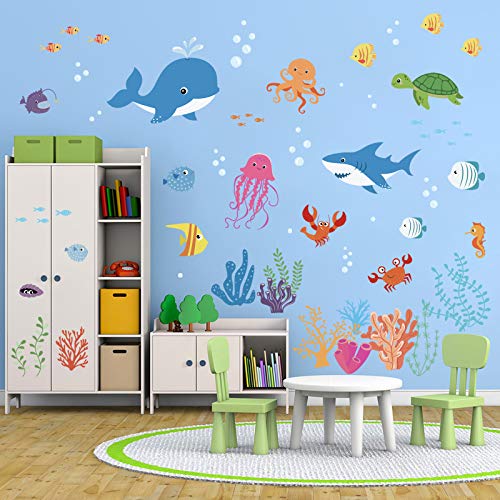
When selecting a theme, consider the longevity of the design. While a specific cartoon character might be a hit today, a more generalized theme—such as woodland creatures, outer space, or botanical elements—tends to age better with the child. Decalmile offers a variety of styles, ranging from individual character decals to large-scale scene sets. If you are decorating a large, empty wall, a complete scene set provides a cohesive look. However, if you want to maintain a sense of balance, choosing a collection of individual decals allows you to 'scatter' the elements, creating a more organic and less overwhelming visual flow. This flexibility is key for maintaining a room that feels curated rather than cluttered.
Application Surface and Texture Compatibility
Before committing to a purchase, evaluate the texture of your walls. Most high-quality vinyl stickers perform best on smooth, flat surfaces like painted drywall or wood. If your home features heavy knockdown texture or highly porous, unpainted surfaces, some adhesive-backed decals may struggle to maintain their grip over time. For the best results, ensure the wall is cleaned with a dry cloth to remove dust before application. If you are planning to apply decals to furniture—such as a wooden toy chest or a changing table—ensure the material is rated for multi-surface use to prevent peeling during heavy play sessions.
Safety and Environmental Considerations
Since these products are being placed in close proximity to children, safety is a non-negotiable factor. Look for decals that are manufactured using non-toxic, water-based inks. This is particularly important in nurseries where infants may touch or even occasionally mouth the edges of the decor. High-quality decals should be free of strong chemical odors (VOCs) immediately upon opening the packaging. A premium decal should feel substantial and well-cut, with clean edges that don't curl easily, ensuring that the decor remains a safe and pleasant part of the child's environment for years to come.